Hey everyone! Have you ever paused to think about the incredible secrets hiding in the deepest, darkest corners of our oceans? I know I have!
For so long, the deep sea felt like an impossible, alien world, completely beyond our grasp. But thanks to some truly mind-blowing advancements in exploration tech, we’re now peering into those abyssal plains, uncovering breathtaking marine life and geological wonders we never even imagined.
It’s not just about cool robots and weird fish, either; understanding these extreme environments could unlock critical insights for everything from new medicines to combating climate change – truly fascinating stuff!
Ready to explore more with me? Let’s dive deeper and unveil the latest discoveries from humanity’s final frontier!
Hey everyone! Let’s dive deeper and unveil the latest discoveries from humanity’s final frontier!
Breaking the Surface: The Incredible Tech Taking Us Down
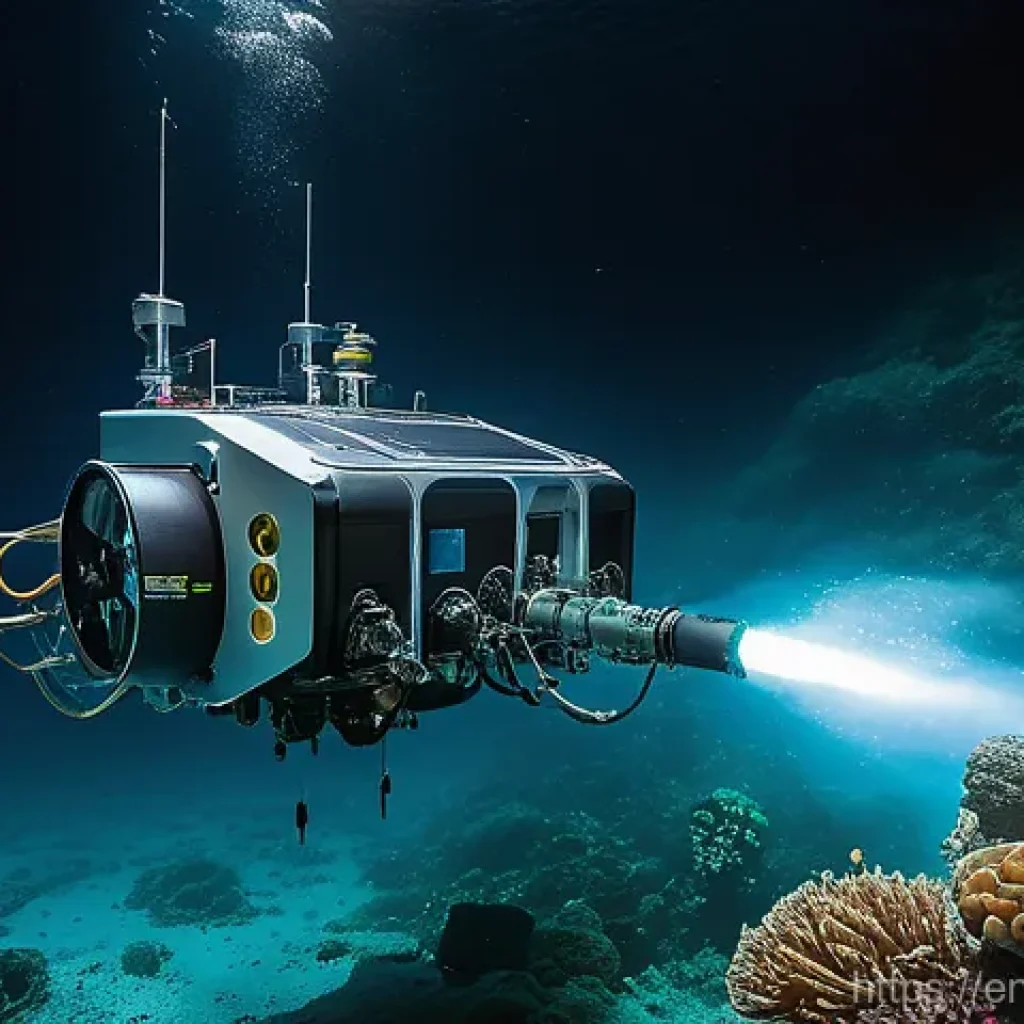
You know, for the longest time, the idea of truly exploring the deep ocean felt like something out of a sci-fi movie. I remember thinking about those early, clunky submersibles and just how limited their reach was. But honestly, the technology we have now? It’s absolutely revolutionized how we interact with this mysterious realm. We’re talking about sophisticated submersibles like the venerable *Alvin*, which has been taking scientists deep for decades, constantly upgraded to handle even more extreme conditions. Then there are the incredible remotely operated vehicles (ROVs) and autonomous underwater vehicles (AUVs) that act like our eyes and hands thousands of feet beneath the waves. These aren’t just fancy toys; they’re equipped with high-definition cameras that can capture footage at depths exceeding 6,000 meters, advanced sensors, and even robotic arms to collect delicate samples. It’s a game-changer because these robots can endure the crushing pressures and freezing temperatures that would be deadly for humans, allowing us to survey vast swathes of the seafloor and collect data in real-time. I mean, imagine seeing hydrothermal vents erupting live from thousands of miles away! That’s the kind of access we now have. The progress in AI and machine learning is also pushing the boundaries, allowing AUVs to navigate autonomously, avoid obstacles, and even identify marine species on their own, making missions more efficient than ever before.
The Evolution of Deep-Sea Vehicles
It’s wild to think how far we’ve come from basic manned submersibles. Early human-occupied vehicles (HOVs) like *Alvin* were pioneers, giving us our first direct glimpses of deep-sea ecosystems. But the real explosion in exploration has come with the rise of unmanned vehicles. ROVs, tethered to surface ships, give us precise control and real-time data feedback, which is crucial for intricate tasks like sampling or close-up observation of fragile organisms. I’ve heard stories from researchers about how they can almost feel like they’re down there themselves, guiding the robotic arm to pick up a tiny, unknown creature without disturbing its habitat. AUVs, on the other hand, are the silent workhorses, pre-programmed to cover vast areas independently, mapping the seafloor with incredible detail or even looking for specific chemical signatures. They’re like the long-distance runners of the deep, gathering immense amounts of data that we then piece together to form a clearer picture of these vast, unexplored regions. It’s truly a testament to human ingenuity to overcome such immense natural barriers.
Robots Leading the Charge: ROVs and AUVs
Honestly, the sheer versatility of these robotic explorers blows my mind. ROVs, with their direct human control, are perfect for when you need precision. Think about recovering artifacts from shipwrecks, like the recent efforts to retrieve items from the Titanic in July 2024, or performing intricate tasks around underwater structures. They’re like underwater surgeons. AUVs, meanwhile, excel at covering huge distances, creating detailed maps of the ocean floor, and even surveying for marine life using sonar and cameras. Some can even hibernate on the seafloor to conserve energy for long-duration missions. This combination of precision and endurance means we’re exploring more, faster, and with less risk to human lives. I firmly believe these robots are our best shot at truly understanding the 80% of our ocean that remains unmapped and unexplored.
| Vehicle Type | Key Characteristic | Primary Role in Exploration |
|---|---|---|
| Human-Occupied Vehicles (HOVs) | Carries a small crew, direct human observation | Direct scientific observation, sample collection, short-duration dives |
| Remotely Operated Vehicles (ROVs) | Tethered to a ship, real-time control by operators | Precise manipulation, detailed visual surveys, immediate data transmission, hazardous environment work |
| Autonomous Underwater Vehicles (AUVs) | Untethered, pre-programmed missions, independent operation | Large-scale mapping, long-duration surveys, data collection in remote areas, military surveillance |
Creatures of the Deep: Breathtaking New Species Revealed
Every time I hear about a new deep-sea discovery, I get goosebumps! It’s like we’re constantly finding aliens right here on Earth. Just in 2024 and 2025, the sheer number of newly identified marine species is staggering, with initiatives like the Ocean Census alone identifying over 850 new creatures. Think about that – hundreds of species that were completely unknown to science, living their lives in environments we once thought too harsh to support anything complex. We’ve seen everything from strange guitar sharks and adorable pygmy pipehorses to glowing sea slugs and incredibly resilient amphipods thriving in the deepest trenches. It really makes you rethink what’s possible for life to adapt to. The adaptations these creatures have developed, from extreme bioluminescence to survive in perpetual darkness to chemosynthesis around hydrothermal vents, are truly mind-boggling. It’s a vivid reminder that the ocean’s biodiversity is far richer and more imaginative than we ever dared to guess.
Bioluminescence and Survival Strategies
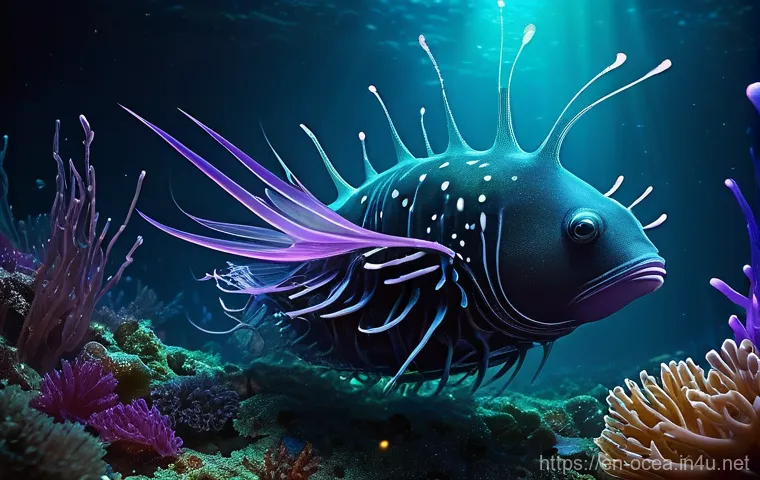
When you imagine the deep sea, you probably picture absolute darkness, right? Well, for many creatures down there, darkness isn’t an absence of light, but rather a canvas for light. Bioluminescence, the ability to produce light, is not just common; it’s a vital language. I’ve watched documentaries showing deep-sea anglerfish using their glowing lures to attract prey, or entire schools of tiny organisms flashing in unison as a defense mechanism. It’s truly a spectacle, a silent, glowing dance in a world without sunlight. Beyond light, these animals have evolved incredible strategies to cope with immense pressure and scarcity of food. Some have incredibly slow metabolisms, living for hundreds of years, while others have developed unique ways to capture what little food drifts down from above or to thrive on chemical energy from the Earth’s interior. It’s like a completely different rulebook for survival, and every new discovery adds another fascinating chapter to this incredible story.
Ecosystems Thriving in Extremes
The ecosystems we’re discovering in the deep aren’t just collections of strange animals; they’re vibrant, interconnected communities thriving against all odds. Take the hydrothermal vents, for example. These volcanic seafloor geysers spew superheated, mineral-rich water, creating oases of life where entire food webs are built not on sunlight, but on chemosynthesis – bacteria converting chemicals into energy. It’s a prime example of life flourishing in what we once considered utterly inhospitable conditions. We’re finding new species of deep-sea corals, glass sponges, and complex communities around seamounts and cold seeps. These are often isolated “islands” of biodiversity, harboring unique species found nowhere else on Earth. The recent expedition off Chile’s coast, which documented over 100 new deep-sea animals, showcased just how rich these seamount ecosystems are, with many endemic species. It makes you realize how much more there is to learn about the intricate relationships and delicate balances that maintain life in these extreme environments.
Beyond the Bizarre: Unearthing Geological Marvels
It’s easy to get caught up in the weird and wonderful creatures, but the geological discoveries happening in the deep sea are just as mind-blowing, if not more so, because they fundamentally change our understanding of Earth itself. I mean, we’re talking about unearthing geological formations and processes that are completely hidden from our everyday view. Discoveries like ancient seafloor slabs buried deep under the Pacific, dating back over 250 million years, offer incredible insights into our planet’s history, even predating the dinosaurs! And it’s not just about the past; we’re actively observing geological activity that shapes our world, from immense ocean trenches that plunge deeper than Mount Everest is tall to sprawling underwater mountain ranges. These findings are like pieces of a giant puzzle, helping us understand plate tectonics, seismic activity, and even the very origins of life.
Hydrothermal Vents: Oases of Life
Hydrothermal vents truly are one of the planet’s most astonishing geological features. I remember when they were first discovered, the scientific community was absolutely buzzing. These natural chimneys on the seafloor release superheated, mineral-rich water, creating localized environments where life thrives independently of the sun. It’s an ecosystem fueled by geothermal energy, supporting unique species like giant tube worms, blind shrimp, and unique microbes. It’s mind-boggling to think about these underwater oases, vibrant with activity, completely cut off from the surface world. We’re still discovering new vent fields and learning about the complex chemistry that sustains them. Each new vent system often hosts unique species adapted to that specific chemical cocktail, making every discovery a thrilling peek into the adaptability of life and the Earth’s internal processes.
Seamounts and Trenches: Earth’s Underwater Topography
Our planet’s underwater topography is far more dramatic and varied than most people realize. The ocean floor isn’t just a flat plain; it’s a landscape of immense seamounts, vast abyssal plains, and incredibly deep trenches. Some of these seamounts, essentially underwater mountains, are hotspots of biodiversity, acting like oceanic islands where unique ecosystems flourish. They influence currents and provide habitats for everything from corals to fish, making them critical areas for marine life. Then there are the ocean trenches, like the Mariana Trench, which are the deepest parts of our planet. Exploring these abyssal zones pushes the limits of engineering and reveals life forms adapted to the most extreme pressures imaginable. We’ve even found astonishing brine pools in places like the Red Sea, effectively “death pools” for most marine life due to their extreme salinity and lack of oxygen, yet potentially holding clues to the origins of life on Earth or even extraterrestrial life. These geological wonders are not just fascinating to look at; they are crucial to understanding ocean currents, plate tectonics, and even climate regulation.
The Ocean’s Hidden Pharmacy: Deep-Sea Bio-Prospecting
I find it absolutely incredible to think that some of the most potent medicines and innovative industrial compounds might be waiting for us in the darkest, coldest parts of the ocean. It’s like the deep sea is a massive, unexplored pharmacy! Organisms that have evolved to survive in such extreme conditions – crushing pressures, freezing temperatures, total darkness – often produce unique biochemicals that help them thrive. These could be enzymes that work at extreme temperatures, novel antibiotics, or even anti-cancer compounds. Researchers are actively “bio-prospecting” these environments, looking for marine microorganisms, sponges, and corals that could provide us with the next big medical breakthrough. I’ve always been fascinated by how nature holds so many secrets, and the deep sea really embodies that potential. Imagine a new drug to fight a resistant infection, or a component for a new, sustainable industrial process, all thanks to a tiny organism living thousands of feet below the surface. The possibilities are truly exciting.
Unlocking Medical Breakthroughs
The medical potential emanating from the deep sea is, frankly, astounding. I’ve read about marine organisms, especially microorganisms adapted to extreme conditions, yielding new natural products with potent bioactivity. Just between 2020 and October 2024, hundreds of novel compounds were discovered from deep-sea organisms, with many showing promising cytotoxic effects against various human cancer cell lines! Some even contribute to developing treatments for chronic pain. These creatures have developed unique defense mechanisms or metabolic pathways that result in compounds unlike anything found on land. For instance, enzymes from extremophiles that can function under high pressure or low temperatures have huge potential in industrial applications, from detergents to biofuels. It’s a race against time, in a way, to discover and understand these compounds before human activities potentially impact their habitats. My hope is that we can harness this incredible natural pharmacy responsibly and ethically.
Sustainable Solutions from the Deep
Beyond direct medical applications, the deep sea offers pathways to more sustainable solutions across various industries. Think about it: organisms that thrive in such unique conditions must have incredibly efficient and resilient biological processes. The enzymes produced by psychrophiles (cold-loving organisms) are effective at low temperatures, making them valuable for more energy-efficient industrial processes in agriculture, food, cosmetics, and detergents. There’s also huge potential in marine biotechnology for developing sustainable materials like biodegradable plastics, or even for applications in clean energy and carbon capture. It’s not just about what we take from the deep, but how the biology and chemistry of these environments can inspire us to create more environmentally friendly technologies. It’s a powerful reminder that sometimes, the solutions to our biggest challenges might be hiding in plain sight, just very, very deep under the ocean.
Facing the Abyss: Overcoming Exploration’s Toughest Challenges
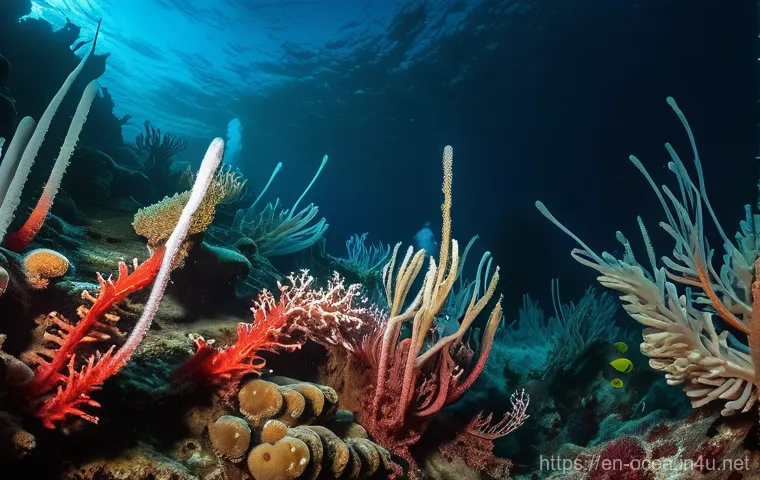
Let’s be real, deep-sea exploration isn’t a walk in the park. It’s one of the most hostile environments on Earth, presenting monumental challenges that really test the limits of human ingenuity and technology. I’ve often thought about what it must be like down there: the crushing pressure that can exceed 800 times what we experience at sea level, the freezing temperatures, and the absolute, impenetrable darkness beyond a thousand feet. It’s a truly alien world, and just getting equipment down there and back is a feat in itself. Beyond the physical extremes, there are also significant logistical and financial hurdles. These missions are incredibly expensive, requiring specialized ships, cutting-edge robots, and highly skilled teams. Securing funding and maintaining long-term research efforts are constant battles. Yet, despite these difficulties, scientists and engineers continue to push the boundaries, driven by an insatiable curiosity and the profound understanding that the deep ocean holds keys to our planet’s past, present, and future.
Navigating Immense Pressure and Darkness
The most immediate and terrifying challenge of the deep sea is undoubtedly the pressure. Imagine the weight of a skyscraper pressing down on you – that’s what deep-sea submersibles have to withstand. Engineers design vehicles with incredibly strong hulls, often made of titanium or specialized alloys, to prevent implosion. And then there’s the darkness. Beyond the sunlit zone, it’s eternal night, which is why advanced lighting and imaging systems are so critical. Communication is another huge hurdle; radio waves don’t travel well through water, so scientists rely on acoustic signals and fiber optic tethers, which limit real-time data transmission and vehicle range. It’s a constant battle against physics, but every innovation, every stronger hull, every brighter light, and every faster data link allows us to peek a little further into the unknown. It’s inspiring to see the dedication of those who design and operate these machines.
Funding and Accessibility: The Ongoing Hurdles
While the technological advancements are incredible, the reality is that deep-sea exploration is still incredibly expensive and resource-intensive. These aren’t cheap endeavors. Deploying research vessels, maintaining advanced submersibles, and funding multidisciplinary scientific teams requires significant investment. I’ve often seen how promising research projects struggle to get off the ground or face cutbacks due to funding limitations. Furthermore, accessibility remains a challenge. Despite our best efforts, less than a quarter of our seafloor has been mapped in detail, and even less has been visually surveyed. Many regions remain untouched, and the sheer vastness of the ocean means there’s still an unfathomable amount of work to do. It truly highlights the need for continued global collaboration and sustained funding to truly unlock the secrets of this final frontier.
Guardians of the Deep: Why Protecting These Ecosystems Matters
Honestly, it breaks my heart to think about how our actions on the surface can impact these pristine, ancient deep-sea environments. We often imagine the deep as being too remote to be affected by human activity, but that’s just not true. Pollution, climate change, and increasingly, destructive industrial activities like deep-sea mining and unsustainable fishing practices are posing significant threats to these fragile ecosystems. It’s a stark reminder that everything in our ocean is interconnected, from the shallowest reefs to the deepest trenches. Protecting these areas isn’t just about preserving unique species; it’s about safeguarding critical functions that impact the entire planet, like climate regulation and carbon sequestration. I truly believe it’s our responsibility to be stewards of these incredible, newly discovered worlds, ensuring they remain healthy for generations to come.
Threats from Human Activity
The list of threats to the deep sea from human activities is, sadly, growing. Deep-sea mining, for instance, poses a huge risk. Companies are eyeing polymetallic nodules and crusts on the seafloor for valuable metals, but extraction methods could devastate fragile habitats, destroying cold-water coral and sponge ecosystems that have taken thousands of years to grow. The potential for harmful contaminants from mining wastewater also worries me greatly, with research showing increased levels of toxic metals like copper in the water column. Then there’s deep-sea fishing, particularly destructive bottom trawling, which indiscriminately tears through seafloor habitats, causing irreversible damage and leading to high levels of bycatch, including vulnerable deep-sea corals. And let’s not forget the pervasive issue of marine litter and plastic pollution, which reaches even the deepest trenches. It’s a sobering thought that our waste can end up in such remote, untouched places.
The Urgency of Conservation
The urgency for conservation in the deep sea has never been greater. We’re only just beginning to understand these ecosystems, and yet they’re already facing unprecedented threats. It’s a race against time to study, map, and protect these areas before they’re irrevocably altered. Conservation efforts, like establishing marine protected areas and advocating for moratoriums on destructive practices like deep-sea mining, are absolutely critical. The deep ocean plays a vital role in regulating Earth’s climate, absorbing vast amounts of carbon dioxide and heat. Disrupting these processes could have far-reaching consequences for the entire planet. As someone who cares deeply about our oceans, I believe we have a moral obligation to protect these unexplored wonders. It’s about more than just a few unique species; it’s about the health of our entire planet.
The Future of the Unknown: What’s Next for Deep-Sea Science?
Looking ahead, I feel such a mix of excitement and anticipation for what the future holds for deep-sea science. It’s truly humanity’s final frontier, and with every passing year, our ability to explore it grows by leaps and bounds. I envision a future where we have a much clearer, more comprehensive understanding of these vast ecosystems, moving beyond just discovery to true comprehension. The continued development of undersea drones and autonomous systems, paired with advancements in artificial intelligence, is set to transform how we conduct missions. We’re going to see more detailed maps of the seafloor, more precise sampling capabilities, and, hopefully, a deeper connection between the public and these incredible underwater worlds. I’m especially optimistic about the potential for international collaborations to pool resources and expertise, making even the most ambitious expeditions a reality. The mysteries of the deep are far from exhausted, and I can’t wait to see what incredible secrets will be unveiled next.
Next-Gen Robotics and AI Integration
The next generation of deep-sea robotics is going to be truly mind-blowing. I’m talking about AUVs that can operate independently for even longer periods, using advanced AI to make real-time decisions, identify anomalies, and optimize their exploration paths. Imagine a swarm of small, intelligent robots working together, covering immense areas much faster than a single vessel ever could. We’re already seeing breakthroughs in underwater communication, using light pulses to transmit high-speed data, which could allow for real-time streaming from even greater depths. The integration of AI isn’t just about efficiency; it’s about enabling discovery. These intelligent systems will be able to process vast amounts of data, recognize patterns we might miss, and guide us to the most promising areas for further investigation. It’s like giving our deep-sea explorers superhuman senses, allowing us to perceive and understand this hidden world in ways we’ve only dreamed of.
Collaborative Exploration and Citizen Science
One aspect of the future that really excites me is the growing emphasis on collaboration and accessibility. Deep-sea exploration is too big a task for any single nation or institution. International partnerships, like the UN Decade of Ocean Science for Sustainable Development, are absolutely vital for pooling resources, sharing data, and tackling the enormous challenges ahead. And what’s even cooler is the potential for citizen science! With improved technology and live-streaming capabilities, more people than ever before can connect with these missions, watching discoveries unfold in real-time. I believe that inspiring a new generation to care about the ocean means making them part of the journey. When people can see the wonders of the deep for themselves, even virtually, it fosters a sense of wonder and a desire to protect. The deep sea might be humanity’s final frontier, but it’s a frontier we can explore together, learning and protecting as we go.
글을 마치며
Honestly, diving into the latest deep-sea discoveries always leaves me with a profound sense of awe and a renewed appreciation for our incredible planet. It’s clear that this ‘final frontier’ is far from fully understood, and with every expedition, we peel back another layer of mystery, revealing worlds more fantastical than fiction. I truly believe that our relentless curiosity, coupled with groundbreaking technology, is not just about finding new species or mapping uncharted territories; it’s about connecting us to the fundamental processes of life and Earth itself. The journey ahead is certainly challenging, but it’s filled with endless possibilities, and I, for one, can’t wait to see what incredible secrets the deep will unveil next.
알아두면 쓸모 있는 정보
1. Want to keep up with real-time deep-sea missions? Many leading research institutions like the Woods Hole Oceanographic Institution (WHOI) or the Monterey Bay Aquarium Research Institute (MBARI) often livestream their ROV dives and share daily updates on their websites and social media channels. It’s a fantastic way to feel like you’re right there with the scientists!
2. Thinking about how you can contribute to ocean health? Even small actions like reducing single-use plastics in your daily life can make a huge difference in preventing pollution from reaching these pristine deep-sea environments. Look into supporting organizations that advocate for marine protected areas or ethical deep-sea resource management.
3. Ever wondered how deep-sea creatures find food in pitch darkness? Many rely on ‘marine snow’ – a continuous shower of organic material drifting down from the surface waters. Others are incredible predators, using unique adaptations like massive jaws, expandable stomachs, or even bioluminescent lures to ambush unsuspecting prey.
4. The deep sea holds more than just strange creatures; it’s a treasure trove of potential. Scientists are actively bio-prospecting for compounds that could lead to new medicines, sustainable enzymes for industrial use, or even biotechnological solutions for climate change. It’s truly nature’s untouched pharmacy!
5. While impressive, remember that only about 25% of the ocean floor has been mapped with modern technology. This means vast areas remain completely unexplored, underscoring the immense scope of future deep-sea expeditions and the countless discoveries still waiting to be made beneath the waves.
중요 사항 정리
Deep-sea exploration is currently experiencing a golden age, driven by cutting-edge advancements in robotic submersibles and AI. These incredible technologies are allowing us to discover breathtaking new marine life and previously unimaginable geological formations, fundamentally changing our understanding of Earth. Beyond their inherent scientific value, these environments are proving to be a hidden pharmacy, offering vast potential for medical breakthroughs and sustainable industrial solutions. However, this critical frontier faces significant threats from human activities, including pollution, climate change, and the growing specter of deep-sea mining. Protecting these fragile, vital ecosystems is not just about preserving biodiversity; it’s essential for maintaining global climate regulation and the overall health of our planet. The future of deep-sea science will rely heavily on next-generation robotics, advanced AI integration, and robust international collaborations to unlock its remaining mysteries and ensure its responsible stewardship.
Frequently Asked Questions (FAQ) 📖
Q: What kind of “mind-blowing advancements in exploration tech” are truly making deep-sea discovery possible today?
A: Oh, this is one of my favorite topics because it’s like living in a sci-fi movie! Honestly, the game-changers have really been remotely operated vehicles (ROVs) and autonomous underwater vehicles (AUVs).
Think of ROVs as super advanced underwater drones, controlled by pilots on a ship, often with robotic arms that can collect samples or even repair equipment.
I mean, they’ve descended miles into the ocean, filming and exploring in ways we just couldn’t physically do before. Then there are AUVs, which are even cooler in some ways because they’re programmed to explore independently for hours, even days, mapping vast areas of the seafloor.
I personally find the sheer precision and endurance of these machines absolutely mind-boggling. They’re equipped with high-definition cameras, sonar, and all sorts of sensors that allow us to gather data we never dreamed possible.
It’s like we’ve finally got the right glasses to see what’s been right under our noses, just way, way down deep! The engineering behind them, especially the materials that can withstand crushing pressures, just blows me away every time I read about it.
Q: What are some of the most “breathtaking marine life and geological wonders” we’re actually uncovering down in the abyssal plains?
A: Get ready to have your mind blown because the discoveries are genuinely out of this world! When I first started following deep-sea news, I expected to hear about some cool fish, but what they’re finding is so much more.
We’re talking about entirely new species that look like they’ve come straight from an alien planet – bioluminescent creatures that glow in the perpetual darkness, colossal squids and octopuses that were once the stuff of legend, and even fish that can withstand immense pressure thanks to unique biological adaptations.
Beyond the life, the geological wonders are just as captivating. Hydrothermal vents, for example, are basically underwater geysers spewing superheated, mineral-rich water, creating these incredible chimney-like structures on the seafloor.
Around these vents, entire ecosystems thrive without sunlight, relying instead on chemosynthesis! It’s truly wild to think about life existing without the sun’s energy.
Then there are cold seeps, which release methane and other hydrocarbons, also supporting unique communities. Every time I see footage from these expeditions, I’m struck by the vibrant, impossible beauty of these environments and the incredible resilience of life in such extreme conditions.
It really makes you rethink what’s possible.
Q: How exactly could understanding these extreme deep-sea environments “unlock critical insights for everything from new medicines to combating climate change”?
A: This is where it gets really exciting and, frankly, vital for all of us! Think about it: the organisms living in these extreme deep-sea environments – the intense pressure, absolute darkness, and often super-heated or super-cold waters – have evolved truly unique biological and biochemical pathways to survive.
From my experience following scientific research, these “extremophiles” are like living pharmacies! Their unique enzymes and compounds could hold the key to developing new antibiotics, anti-cancer drugs, or even industrial applications that work in harsh conditions.
Imagine a new medicine derived from a deep-sea microbe that fights a resistant superbug – that’s the kind of groundbreaking potential we’re talking about!
As for climate change, the deep ocean plays an enormous role in regulating our planet’s climate by absorbing vast amounts of heat and carbon dioxide. By studying how deep-sea currents work, how these ecosystems process carbon, and how they react to changes in temperature and acidity, we can build much more accurate climate models and better predict future changes.
It’s not just about what we find; it’s about understanding the fundamental processes of our planet, which in turn helps us protect it. I feel a real sense of hope knowing that these explorations aren’t just for curiosity’s sake, but for real-world solutions that could benefit generations to come.