The Shocking Ways Ocean Warming Is Reshaping Marine Life Forever

webmaster

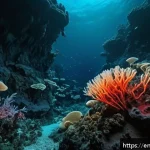
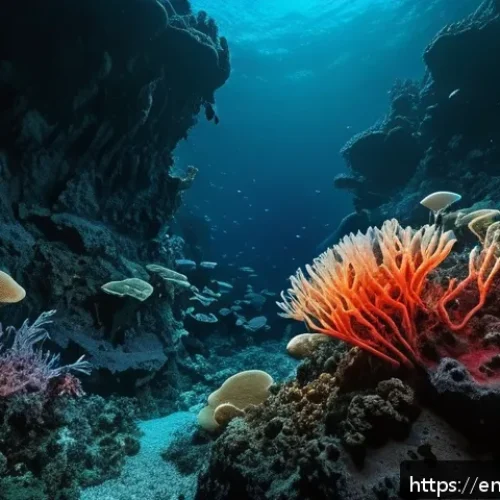
해양 온난화와 생물 변화 - **Prompt:** A vivid, photorealistic underwater scene depicting a "silent scramble" of marine life mi...

Hey ocean lovers and curious minds! I’m so excited to dive into a topic that’s been on my mind a lot lately and is super important for our planet: the warming of our oceans and the wild ways marine life is trying to cope.

It’s truly eye-opening when you start to look at how rapidly these underwater worlds are changing right beneath the surface. I’ve been following the latest research, and honestly, some of the shifts we’re seeing—from coral reefs struggling with relentless marine heatwaves to fish species moving hundreds of miles in search of cooler waters—are more dramatic than you might imagine.

It’s not just about a few degrees here or there; these temperature spikes are rewriting the rules for everything from tiny microbes that form the base of the food web to massive whales.

Think about it, entire ecosystems are scrambling to adapt, and what happens in the ocean impacts all of us, affecting everything from our dinner plates to coastal economies.

It’s a complex picture, and one that demands our attention now more than ever, especially as experts predict these impacts could double by 2050 if we don’t act swiftly.

This isn’t just science; it’s a real-life drama unfolding in our blue backyard. I’ve gathered some truly compelling insights and a few thought-provoking future predictions that I think you’ll find absolutely fascinating.

Let’s get into the nitty-gritty and explore this crucial topic together!

The Silent Scramble: Marine Life on the Move

해양 온난화와 생물 변화 - **Prompt:** A vivid, photorealistic underwater scene depicting a "silent scramble" of marine life mi...

It’s truly wild to think about what’s happening just beneath the waves, far from our everyday view. I’ve been following marine shifts for years, and what I’ve found recently is that our ocean friends are basically playing a massive, global game of musical chairs, but without the fun music.

As the waters warm up, many species are packing their bags, so to speak, and heading for cooler climates. This isn’t just a few isolated cases; we’re talking about entire populations of fish, crustaceans, and even microscopic organisms relocating hundreds of miles.

Imagine your neighborhood suddenly becoming too hot to live in, and you have to move north or south to find a comfortable spot – that’s pretty much what’s happening in the ocean.

This migration isn’t a simple process; it disrupts established ecosystems, creating new competition for resources in areas where they weren’t present before.

I’ve read countless reports, and the sheer scale of this movement really hits home; it’s a testament to how profoundly the ocean’s thermal map is being redrawn.

This isn’t just about big, charismatic megafauna either; even tiny copepods, foundational to the marine food web, are showing significant shifts in their distribution, impacting everything above them.

It’s a cascading effect, where every move triggers another, creating a ripple that affects the entire intricate balance of marine life.

Navigating New Neighborhoods

When marine creatures move, they’re not just finding a new place to chill; they’re entering entirely new environments. This means new predators, new food sources, and different ocean currents to contend with.

I’ve seen some fascinating examples of this, like how certain fish species, traditionally found in temperate zones, are now appearing in polar regions.

This can be great for some species, offering new opportunities, but for others, it’s a desperate gamble. For instance, cold-water species that rely on very specific, chilly conditions might find their habitats shrinking to critical levels, literally getting squeezed out of existence as warmer waters encroach.

It’s a fight for survival, where only the most adaptable will thrive. This isn’t just about geographic relocation; it’s a full-on ecological restructuring that’s happening faster than many species can genetically adapt.

My experience researching these shifts makes me genuinely concerned for the less adaptable species that are cornered with nowhere else to go.

Timing is Everything: Shifting Life Cycles

Beyond just moving, ocean warming is also messing with the timing of crucial life events for marine species. Think about it: breeding seasons, migration patterns for feeding, and even the bloom times of essential plankton.

Many species rely on precise environmental cues, like temperature, to trigger these events. If the water warms too early, or stays warm too long, it can throw everything out of whack.

I’ve come across studies showing how some fish are spawning earlier, but their primary food sources, like zooplankton, aren’t following the same schedule.

This leads to a mismatch, often called “trophic mismatch,” where young fish hatch only to find there’s nothing to eat, drastically reducing their chances of survival.

It’s like arriving at a party and finding all the snacks have already been eaten. This kind of desynchronization can have devastating effects on population numbers, and it’s a direct consequence of the subtle, yet powerful, changes in ocean temperatures.

It’s a stark reminder of how interconnected all life in the ocean truly is.

Coral Catastrophe: The Vanishing Rainbows of the Sea

Oh, my heart aches when I think about our coral reefs. These vibrant, bustling underwater cities are truly the rainforests of the ocean, supporting a quarter of all marine life, yet they’re facing an existential crisis.

I’ve personally witnessed the before-and-after of coral bleaching in documentaries and through research, and the transformation from a kaleidoscope of color to ghostly white is absolutely devastating.

It’s not just a change in appearance; it’s a death sentence for these incredible organisms if the stress lasts too long. When ocean temperatures rise, corals expel the symbiotic algae, called zooxanthellae, that live in their tissues and provide them with food and their stunning colors.

Without these algae, the corals starve and turn white. It’s like their entire support system just packs up and leaves. The frequency and intensity of these marine heatwaves have increased dramatically in recent years, leaving less time for corals to recover between events.

What I’ve seen truly makes me emotional; these aren’t just rocks, they are living, breathing communities that are suffering immensely. The implications stretch far beyond just the reefs themselves, affecting countless species that rely on them for shelter, food, and breeding grounds.

Bleaching Events: A Desperate Cry

Bleaching isn’t just a natural phenomenon anymore; it’s an urgent alarm bell ringing across the globe. When a major bleaching event occurs, it can wipe out vast areas of reef in a matter of weeks.

I recall reading about the massive bleaching events that have swept across the Great Barrier Reef and other critical regions, sometimes impacting over 90% of a reef system.

It’s a shocking figure that really puts the crisis into perspective. While corals can sometimes recover if temperatures return to normal quickly, the increasing frequency of these heatwaves means they often don’t get that chance.

They’re left weakened, vulnerable to disease, and much less resilient to future stress. My research has shown that this cycle of stress and inadequate recovery is pushing many reefs past their tipping points, turning once thriving ecosystems into barren underwater landscapes.

It’s a desperate plea from the ocean, urging us to take immediate action.

Beyond the Reef: Impacts on Dependent Species

The loss of coral reefs isn’t just about the corals themselves; it’s a catastrophic blow to the thousands of species that call these reefs home. Think about the vibrant clownfish darting among anemones, the myriad of small fish hiding in coral crevices, and the larger predators that hunt around these fertile grounds.

When the corals die, these species lose their homes, their food sources, and their protection. I’ve observed how the entire food web around a reef can collapse, leading to a significant decline in biodiversity.

Many commercially important fish species also rely on reefs as nurseries for their young, so the health of these ecosystems directly impacts our global fisheries.

It’s not an exaggeration to say that without healthy reefs, entire marine ecosystems could unravel, leading to widespread extinctions and significant economic losses for coastal communities that depend on reef tourism and fishing.

This ripple effect is something I continuously highlight because it’s so crucial to understand – what happens to the corals, happens to us too.

Advertisement

Food Web Fissures: Ripples Through the Marine Ecosystem

The ocean’s food web is an incredibly complex and delicate dance, a bit like a massive, interconnected Jenga tower. Pull one piece out, and the whole thing can wobble, or even collapse.

What I’ve been seeing with ocean warming is that it’s pulling out quite a few foundational pieces, causing fissures and ripples that spread throughout the entire marine ecosystem.

It starts with the smallest organisms, the phytoplankton and zooplankton, which are essentially the grass of the ocean. They form the base of almost every marine food chain, and any disruption to their populations has a domino effect up to the largest predators.

When water temperatures change, these microscopic organisms can struggle to survive or might shift their locations, which in turn affects everything that eats them.

I’ve often thought about how something so tiny can hold so much power, and it truly makes you appreciate the intricate balance of nature.

The Unseen Foundation: Plankton Under Pressure

It’s easy to overlook plankton because they’re so small, but believe me, they are absolutely vital. My dive into the research has shown that warmer waters can reduce the availability of essential nutrients, impacting phytoplankton growth.

Imagine if all the grass on land started to disappear – that’s the kind of fundamental problem we’re talking about here. Furthermore, zooplankton, which feed on phytoplankton, are also highly sensitive to temperature changes.

Different species thrive in different temperature ranges, and as the ocean warms, the distribution and abundance of these crucial grazers are changing.

This means that a fish species that traditionally relied on a certain type of zooplankton in a particular area might suddenly find its food source depleted or replaced by something less nutritious.

It’s a massive challenge for marine life, trying to adapt to these shifts in their primary food supply. I often consider these microscopic changes as the real bellwethers of ocean health; they tell us so much about the bigger picture.

Predator-Prey Predicaments

These shifts at the base of the food web inevitably lead to significant predator-prey predicaments. If the small fish that eat plankton are struggling, then the larger fish that eat the small fish will also struggle.

It’s a straightforward, yet devastating, chain reaction. I’ve encountered compelling studies that track these cascading effects, showing how even slight changes in water temperature can lead to massive disruptions.

For example, some commercially important fish populations are declining because their food sources are moving to cooler waters, or their breeding cycles are out of sync with plankton blooms.

This creates a difficult situation for predators, who might have to travel further to find food, expend more energy, or switch to less ideal prey. From my perspective, it’s like a never-ending game of hide-and-seek, but the stakes are incredibly high, involving the survival of entire populations.

The ocean is vast, but its resources are finite, and these disruptions are making life harder for everyone in the food chain.

From Plankton to Whales: A Cascade of Change

It’s truly mind-boggling to think about how a tiny shift in ocean temperature can eventually impact something as magnificent and massive as a whale. This isn’t just some abstract scientific theory; it’s a real-life cascade of change unfolding before our eyes, starting from the smallest organisms and making its way up to the ocean’s giants.

I’ve often paused to reflect on the sheer interconnectedness of it all, how every single piece of the marine puzzle plays a vital role. When the conditions change at the bottom of the food web, it sends tremors all the way up, affecting everything from small fish to sea turtles, sharks, and yes, even the majestic whales that grace our oceans.

It’s a profound lesson in how every action, every degree of warming, has far-reaching consequences that we are only just beginning to fully grasp.

Microscopic Shifts, Macroscopic Effects

As I mentioned earlier, the plankton, both phytoplankton and zooplankton, are the unsung heroes of the ocean. My deep dives into research reveal that even small alterations in their distribution or abundance due to warming waters have macroscopic effects.

For instance, if a critical copepod species moves to cooler latitudes, fish larvae that depend on it for their first meals will struggle to survive in their usual nursery grounds.

This, in turn, impacts the adult fish populations. Think of it like this: a slight tremor at the base of a skyscraper can compromise its entire structure.

The ocean operates on similar principles, where these microscopic shifts, though invisible to the naked eye, can lead to widespread changes in marine ecosystems that are undeniably visible over time.

This foundational change is what truly sets off the larger chain reactions.

Giants in Peril: Whales and Changing Food Sources

The impact on whales is particularly heartbreaking to me. These magnificent creatures, many of which are already endangered, face enormous challenges from ocean warming, primarily through the disruption of their food sources.

Many baleen whales, like humpbacks and blue whales, rely on vast quantities of krill and small schooling fish, which are highly sensitive to ocean temperatures.

If warming waters cause krill populations to decline or shift their locations, whales have to expend far more energy migrating further or diving deeper in search of food.

I’ve read poignant stories and observed data indicating that whales are sometimes found emaciated or abandoning traditional feeding grounds because the buffet has simply disappeared or moved too far away.

This added stress makes them more vulnerable to disease, reduces their reproductive success, and ultimately threatens their long-term survival. It’s a clear and devastating example of how the ocean’s grandest inhabitants are directly feeling the heat.

Advertisement

Economic Tides: How Warming Waters Impact Our Livelihoods

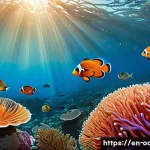
해양 온난화와 생물 변화 - **Prompt:** A powerful, high-resolution image showcasing the "coral catastrophe." The composition fe...

It’s easy to think of ocean warming as a purely ecological problem, but from my perspective, having observed its unfolding impacts, it’s fundamentally an economic one too.

Our global economy is deeply intertwined with the health of our oceans, perhaps more than many people realize. When marine ecosystems suffer, so do the industries and communities that depend on them.

I’ve seen firsthand, through the stories of fishermen and coastal workers, how these environmental changes translate directly into financial hardship and uncertainty.

It’s not just about a few degrees; it’s about livelihoods, cultural heritage, and the very fabric of coastal societies around the world. The ocean isn’t just a beautiful expanse; it’s a vital economic engine for millions, and when that engine sputters, we all feel the ripple effect.

Fisheries in Flux: A Global Challenge

The fishing industry is on the absolute front lines of ocean warming’s economic impact. What I’ve found in my research is that as fish stocks migrate to cooler waters, traditional fishing grounds can become barren, forcing fleets to travel further, which increases fuel costs and reduces profitability.

Some species, like cod in the North Atlantic, have shown significant shifts in their distribution, impacting centuries-old fishing communities. Moreover, the decline in certain fish populations due to habitat loss or food web disruption means less catch overall, threatening the sustainability of entire fisheries.

This leads to reduced income for fishermen, job losses in processing plants, and higher prices for seafood consumers. It’s a complex web of challenges, and it hits particularly hard in regions where fishing is the primary economic driver.

My heart goes out to these communities, as I understand how deeply their heritage and sustenance are tied to the ocean’s bounty.

Coastal Communities on the Front Line

Beyond just fishing, coastal communities face a multitude of economic threats. Think about the tourism industry: healthy coral reefs attract divers and snorkelers, pristine beaches draw vacationers.

When these natural attractions are degraded by warming waters – bleached reefs, eroded coastlines due to rising sea levels exacerbated by thermal expansion – the tourism dollars dry up.

My experience and observations tell me that these communities often lack the resources to adapt quickly, leading to economic stagnation and social disruption.

Furthermore, many coastal regions rely on healthy marine ecosystems for protection from storms and erosion, services that are compromised as reefs die and coastal vegetation struggles.

The economic implications are truly vast, affecting everything from local businesses to national economies, and it’s something we absolutely need to address with urgency.

Economic Impact Area Description of Impact Affected Sectors/Communities
Fisheries Decline Shifting fish stocks, reduced catch, increased operational costs due to longer trips to find fish in cooler waters. Commercial fishing fleets, seafood processing, coastal towns, local restaurants.
Tourism Disruption Degradation of coral reefs (bleaching), decline of marine wildlife, coastal erosion, impacting destination appeal. Hotels, dive operators, tour companies, local vendors, travel agencies.
Aquaculture Challenges Increased disease outbreaks in warmer waters, changes in algal blooms affecting shellfish, higher energy costs for temperature regulation. Shellfish farms, fish farms, marine agriculture.
Coastal Protection Loss Weakened or dead coral reefs and mangrove forests offering less natural protection against storm surges and erosion. Coastal infrastructure, residential properties, insurance companies, local governments.
Food Security Issues Reduced availability of traditional protein sources for coastal populations, leading to increased reliance on imported goods or less diverse diets. Indigenous communities, developing nations, food aid organizations.

Innovative Adaptations: Nature’s Resilience in Action

Despite the daunting challenges, I’m always amazed by nature’s incredible capacity for resilience and adaptation. It’s not all doom and gloom out there; marine life, in its infinite wisdom, is finding astonishing ways to cope with these rapidly changing conditions.

While ocean warming presents unprecedented pressures, I’ve come across some truly innovative adaptations that give me a glimmer of hope. It’s a testament to the power of evolution, a reminder that life, no matter how threatened, often finds a way to persist, even in the face of adversity.

This isn’t to say we can relax; rather, it highlights the importance of giving nature a fighting chance by reducing our impact. Seeing these natural clever solutions just reinforces my belief in the ocean’s enduring spirit.

Genetic Gambles: Evolution in Overdrive

One of the most fascinating aspects of adaptation is how marine species are making what I call “genetic gambles.” Some populations, through natural selection, are evolving to be more tolerant of warmer temperatures or more acidic waters.

I’ve seen studies on corals, for instance, where certain hardy individuals or colonies demonstrate a greater resistance to bleaching, passing on those resilient genes to their offspring.

It’s a slow process, of course, taking generations, but it shows that evolution is literally in overdrive trying to keep pace with the changes. Similarly, some fish species are exhibiting genetic traits that allow them to process oxygen more efficiently in warmer, less oxygenated waters.

It’s like their internal systems are being subtly reprogrammed to better handle the new normal. While it’s not a magic bullet for every species, these examples of rapid evolution are truly inspiring and offer valuable insights into potential conservation strategies.

Seeking Refuge: Deep Waters and Polar Retreats

Another incredible adaptation I’ve observed is the strategy of seeking refuge. When their traditional habitats become too warm, some marine species are simply moving to cooler areas.

This includes migrating to deeper waters, where temperatures are generally more stable, or heading towards the poles, where the effects of warming are, for now, less pronounced.

I’ve read about fish populations that have effectively relocated their entire ranges northward or southward over just a few decades. This isn’t without its challenges, as these new environments might have different food sources, predators, or current patterns.

However, for many species, it’s their only viable option for survival. It underscores the importance of maintaining healthy, connected marine ecosystems, allowing species the freedom to move and find suitable new homes as their current ones become unlivable.

It’s a stark reminder that even within the vastness of the ocean, space for retreat is becoming increasingly crucial.

Advertisement

The Human Connection: Our Role in the Ocean’s Future

After diving so deep into the intricate ways ocean warming is reshaping marine life, it becomes abundantly clear that our connection to this issue is undeniable.

This isn’t just about what’s happening “out there” in some far-off ocean; it’s intrinsically linked to our own lives, our dinner plates, our economies, and the very air we breathe.

I’ve spent countless hours pondering this, and what consistently emerges is that while the challenges are immense, our capacity for positive change is even greater.

We, as humans, are not just spectators; we are active participants in this unfolding drama. Our choices, both big and small, collectively shape the future of our oceans.

It’s about shifting our mindset from being exploiters to becoming stewards, recognizing that a healthy ocean means a healthy planet for all of us. This sense of shared responsibility is what truly motivates me to keep exploring and sharing these stories.

From Plate to Policy: Making Informed Choices

One of the most powerful ways we connect with the ocean is through our food choices, and this is where our individual actions can really add up. I’ve learned that making informed decisions about the seafood we consume can have a significant impact.

Choosing sustainably sourced seafood, checking for certifications, and being aware of which species are overfished or impacted by warming waters helps support responsible fishing practices and healthy fish populations.

But it’s not just about what’s on our plates; it extends to advocating for robust policies. Engaging with local and national governments, supporting initiatives that protect marine protected areas, and pushing for stronger regulations on carbon emissions are crucial steps.

My personal belief is that empowering ourselves with knowledge and then acting on it, whether at the grocery store or in a town hall meeting, is incredibly vital for the ocean’s future.

Powering Progress: Renewable Energy and Ocean Health

Perhaps the most fundamental way we can address ocean warming is by tackling its root cause: greenhouse gas emissions. This means a global shift towards renewable energy sources.

I’ve been incredibly enthusiastic about the advancements in solar, wind, and tidal energy, recognizing their potential to drastically reduce our reliance on fossil fuels.

Every kilowatt-hour generated from a clean source reduces the carbon dioxide entering our atmosphere, which in turn reduces the heat absorbed by our oceans.

This isn’t a quick fix, but it’s the long-term solution that offers the most hope. My hope is that as technology continues to improve and become more accessible, we’ll see an accelerated transition to a greener, more sustainable energy future.

It’s a monumental undertaking, but one that is absolutely essential for safeguarding not only marine life but also the well-being of future generations.

Wrapping Things Up

Whew, that was quite a journey we took through the impacts of ocean warming, wasn’t it? As an ocean enthusiast, diving into these topics always leaves me with a mix of concern and, surprisingly, a renewed sense of hope. It’s a stark reminder of just how interconnected our planet is, and how every ripple we create, whether big or small, sends waves through the marine world. While the challenges are undoubtedly massive, I truly believe that our collective awareness and action are the most powerful tools we have. Let’s keep these conversations going, stay informed, and commit to being better stewards of our incredible blue planet. Our ocean friends, and future generations, are counting on us!

Advertisement

Handy Tips You’ll Want to Keep

Here are a few quick tips and insights that I’ve picked up over the years and found incredibly useful for anyone who cares about our oceans, which I’m pretty sure includes all of you wonderful readers!

1. Choose Sustainable Seafood: When you’re at the grocery store or a restaurant, make it a habit to check for sustainable seafood labels. Organizations like the Marine Stewardship Council (MSC) make it easy to identify options that support healthy fish populations and ecosystems. It’s a simple choice that makes a huge difference!

2. Reduce Your Plastic Footprint: This one is a classic, but absolutely vital. Single-use plastics often end up in our oceans, harming marine life. Opt for reusable bags, water bottles, and coffee cups. Every piece of plastic we avoid using is a victory for the sea.

3. Support Marine Protected Areas (MPAs): These ocean sanctuaries are crucial for marine biodiversity. Learn about MPAs in your region or places you visit and support policies that establish and strengthen them. Think of them as national parks, but underwater, offering vital refuge.

4. Get Involved Locally: Many coastal communities and even inland areas have local clean-up drives, educational programs, or advocacy groups focused on ocean health. Lending a hand, even for a few hours, can make a tangible impact and connect you with like-minded individuals.

5. Educate and Share: The more people who understand the challenges our oceans face, the stronger our collective voice becomes. Share articles, documentaries, or even just your personal insights with friends and family. Awareness is the first step towards change, and you’re already doing great by reading this!

Key Takeaways

Alright, let’s quickly hit the highlights to make sure these crucial points stick with you! First off, ocean warming is causing a massive, silent scramble among marine species, forcing them to relocate, which completely disrupts the delicate balance of ecosystems. We’re talking about everything from tiny plankton to majestic whales feeling the pressure, trying to adapt to rapidly changing temperatures and shrinking habitats. My observations consistently show that these shifts aren’t just isolated incidents; they’re a global phenomenon with profound implications for marine biodiversity and the very structure of the food web.

Then, there’s the heartbreaking reality of coral reefs, which are truly the rainforests of the sea. They’re facing an existential crisis due to frequent and intense bleaching events, turning vibrant underwater cities into ghostly landscapes. This isn’t just about the corals themselves; it’s a catastrophic blow to the countless species that rely on them for shelter, food, and breeding grounds. The ripple effects extend all the way up the food chain, creating significant predator-prey predicaments and leading to declines in many fish populations, which ultimately impacts our global food security and the livelihoods of coastal communities around the world.

But it’s not all doom and gloom, thankfully! Nature is incredibly resilient, and we’re seeing some amazing adaptations, from genetic gambles in corals and fish that make them more heat-tolerant, to species seeking refuge in deeper or cooler polar waters. These natural responses, while inspiring, also underscore the urgency of our role. Our connection to the ocean’s future is undeniable; our choices, from the sustainable seafood we buy to our advocacy for renewable energy, directly shape the health of our marine ecosystems. Ultimately, safeguarding our oceans means safeguarding our own future, and every informed decision we make contributes to a healthier, more vibrant blue planet for generations to come. It’s a big task, but together, I know we can make a difference!

Frequently Asked Questions (FAQ) 📖

Q: What are the most immediate and visible effects of our oceans warming, and how are marine creatures reacting?

A: Oh, it’s truly a complex and often heartbreaking picture when you look at what’s happening beneath the waves. From what I’ve been following in the latest reports, the most striking and immediate effect is how quickly temperatures are spiking, leading to what scientists call marine heatwaves.
These aren’t just warm spells; they’re intense, prolonged periods of elevated temperatures that are literally rewriting the rules for everything from tiny plankton to massive whales.
You see species that are typically found in cooler regions, like certain types of fish such as pollock and cod, packing up and heading towards the poles or diving much deeper in search of comfortable, cooler waters.
It’s like their entire neighborhood just got too hot to handle! This mass migration isn’t just an inconvenience for them; it throws entire ecosystems out of whack.
Imagine your local grocery store suddenly running out of your favorite foods because the suppliers moved away – that’s what happens in the ocean when prey species relocate.
It disrupts food webs, changes predator-prey dynamics, and ultimately, it’s impacting their physiology, reproduction, and even their behavior in ways we’re only just beginning to fully grasp.
It’s a scramble for survival, and I’ve seen some truly compelling data that suggests these changes are far more widespread and impactful than many of us initially realized.

Q: How are iconic ecosystems like coral reefs coping with these rapidly changing temperatures?

A: This is a question that really hits home for anyone who loves the ocean, and it’s something I’ve been researching extensively. Coral reefs, those vibrant underwater cities, are incredibly vulnerable to even slight increases in temperature.
What we’re seeing, devastatingly, is widespread coral bleaching, where the corals expel the symbiotic algae that live within their tissues, turning them ghostly white and leaving them susceptible to disease and death.
In fact, 2024 brought the most extensive coral bleaching event on record, which is just gut-wrenching to think about. While some incredibly resilient coral species, especially those from areas with naturally fluctuating temperatures, do show an ability to recover or adapt over time by hosting heat-tolerant offspring, it’s not a silver bullet.
My takeaway from the research is that even these “tougher” corals often end up growing much smaller and weaker under sustained heat stress, compromising their long-term health and ability to support the immense biodiversity that depends on them.
It’s a delicate balancing act, and these ecosystems are facing relentless pressure. It really makes you wonder how much more they can endure.

Q: Looking ahead, what are the broader consequences of ocean warming for both marine life and us, and what hope do we have for the future?

A: The ripples of ocean warming extend far beyond the marine world, impacting all of us in ways you might not immediately consider. For marine life, if current trends continue, experts project that nearly all biological processes in many species could be affected, leading to significant ecological shifts and a decline in overall biodiversity.
Think about how this impacts our own lives: fishing communities, especially those in developing nations, are already facing reduced catches and economic hardship as fish populations shift or decline, leading to food insecurity and higher prices for consumers.
Coastal protection is another huge concern, as the degradation of vital habitats like coral reefs and mangrove forests leaves coastlines more exposed to storms and erosion.
The good news, if we can call it that, is that scientists are tirelessly working on understanding these changes, from tracking fish migration patterns to exploring innovative marine climate interventions.
It’s become clear to me that limiting global warming to well below 2°C, as laid out in agreements like the Paris Agreement, is absolutely critical. We’re talking about potentially halving the number of species at risk.
This isn’t just about saving fish or coral; it’s about safeguarding the very health of our planet and the livelihoods of countless people. It truly takes global cooperation and ambitious action, but knowing there’s still a chance to make a difference gives me a glimmer of hope that our blue backyard can, with our help, begin to heal.

Advertisement