Understanding fish behavior opens a fascinating window into aquatic life and reveals how these creatures interact within their ecosystems. From migration patterns to social interactions, fish behaviors directly influence the balance of underwater habitats.

Observing these actions helps scientists predict environmental changes and assess human impacts on marine biodiversity. As we dive deeper into these dynamics, we uncover critical insights for conservation and sustainable fishing practices.
Join me as we explore the intricate world of fish behavior and its profound effects on the ecosystem—let’s get into the details together!
Communication Patterns Beneath the Surface
Visual Signals and Color Changes
Fish use a remarkable array of visual cues to communicate, with color shifts playing a starring role. Many species can alter their coloration rapidly to signal aggression, mating readiness, or stress.
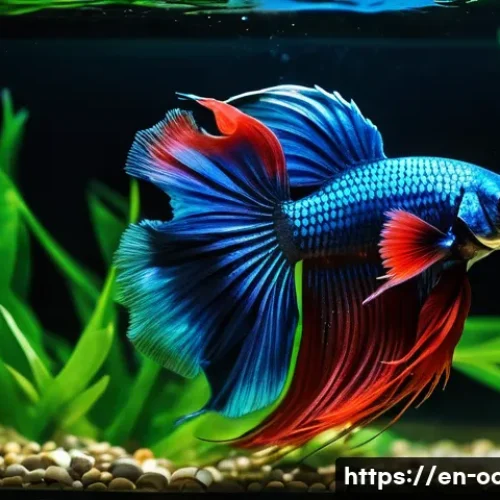
For example, when a male betta fish flares its vibrant fins, it’s basically saying, “Back off, this territory is mine.” These color changes are not just pretty—they’re critical survival tools.
In murky or deep waters where visibility is limited, subtle body movements and fin displays often accompany color shifts to reinforce messages. Watching these interactions firsthand, I’ve noticed how even slight variations in hue can mean the difference between a peaceful coexistence and an all-out scuffle.
Acoustic Communication and Vibrations
It might surprise many that fish produce sounds, but they do so in fascinating ways. From grunts to clicks, fish create noises using specialized muscles or by rubbing bones together.
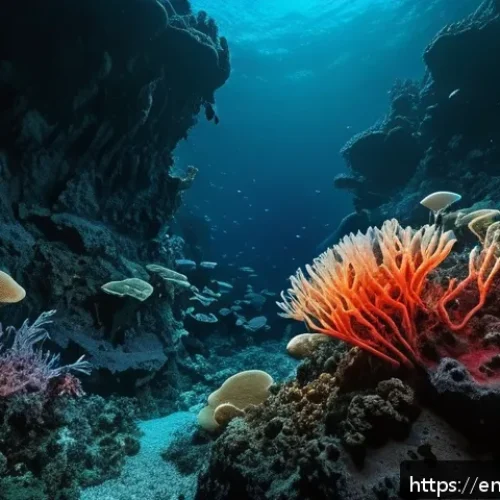
These sounds travel through water and can alert others to danger, attract mates, or establish dominance. In coral reefs, for instance, the chorus of fish calls is a constant backdrop, a kind of underwater conversation.
Personally, when snorkeling, I’ve felt the vibrations of these calls resonate in the water, giving a vivid sense of the hidden social lives beneath the waves.
Scientists have begun using hydrophones to decode these acoustic signals, revealing complex social structures previously unnoticed.
Chemical Signals and Pheromones
Beyond sight and sound, chemical communication forms an invisible web connecting fish. Pheromones released into the water can indicate reproductive status or signal alarm.
This form of messaging is especially important in turbid waters where visibility is poor. For example, when a fish senses a predator, it releases a chemical alarm that nearby fish detect and respond to immediately by fleeing or hiding.
From my experience observing freshwater streams, the speed at which schools of fish react to these chemical cues is astonishing, showcasing a highly evolved alert system that ensures group survival.
Feeding Strategies and Their Ecological Roles
Predatory Tactics and Hunting Techniques
Fish exhibit a stunning variety of feeding behaviors tailored to their environment and prey types. Some, like the anglerfish, use bioluminescent lures to attract unsuspecting prey in the dark depths.
Others, such as groupers, employ ambush tactics, patiently waiting for the perfect moment to strike. I’ve witnessed groupers in action during diving trips, where their sudden bursts of speed to capture prey are both thrilling and a testament to evolutionary efficiency.
These predatory behaviors not only regulate prey populations but also influence the structure of aquatic food webs.
Filter Feeding and Grazing Habits
Not all fish are hunters; many have evolved to feed by filtering tiny plankton or grazing on algae. Species like the whale shark filter vast amounts of water to consume microscopic organisms, playing a crucial role in maintaining plankton balance.
Grazers such as parrotfish scrape algae off coral reefs, preventing overgrowth that can suffocate corals. Watching these grazers in tropical reefs, I’ve seen how their constant nibbling keeps the ecosystem vibrant and healthy.
Their feeding habits directly affect coral reef resilience, highlighting their ecological importance beyond simple nourishment.
Opportunistic and Scavenging Behavior
Some fish are true opportunists, feeding on whatever they find, including carrion. Catfish and certain species of wrasse often scavenge dead organic matter, contributing to nutrient recycling in aquatic systems.
During a river expedition, I noticed how scavengers quickly cleaned up leftovers from predator kills, ensuring no energy goes to waste. This scavenging activity is vital for ecosystem cleanliness and nutrient redistribution, underscoring the interconnectedness of aquatic life cycles.
Migration and Navigational Mastery
Seasonal and Reproductive Migrations
Many fish species embark on incredible journeys to spawn, sometimes traveling hundreds or thousands of miles. Salmon are the poster children of this behavior, swimming upstream to their natal rivers to reproduce.
The physical endurance and navigational precision required are nothing short of extraordinary. I recall reading about how salmon use a combination of olfactory cues and Earth’s magnetic field to find their way—a navigational feat that rivals any human technology.
These migrations ensure genetic diversity and species survival but are increasingly threatened by human-made barriers like dams.
Environmental Cues Guiding Movement
Fish rely on a suite of environmental signals to time and direct their migrations. Changes in water temperature, salinity, and even lunar cycles act as natural triggers.
For instance, some species spawn only during specific moon phases, optimizing conditions for offspring survival. From diving near estuaries, I’ve observed how fish gather in anticipation of these cues, almost as if they’re finely tuned to nature’s calendar.
Understanding these triggers helps fisheries manage stocks sustainably, aligning fishing seasons with natural life cycles.
Challenges and Adaptations to Changing Habitats
Rapid environmental changes such as climate shifts and pollution are forcing fish to adapt their migratory routes or timings. Some species are now arriving earlier in spawning grounds or shifting their ranges poleward.
I’ve followed reports of tropical fish expanding into temperate zones, a living indicator of warming oceans. These shifts can disrupt local ecosystems and fisheries, highlighting the urgent need for adaptive conservation strategies that consider behavioral flexibility in fish populations.
Social Structures and Group Dynamics
Schooling Behavior and Safety in Numbers
One of the most captivating fish behaviors is schooling—large groups swimming in coordinated patterns. This behavior confers safety, confusing predators and reducing individual risk.
The synchronized movements require constant communication and spatial awareness. While snorkeling in the Caribbean, I was mesmerized by a massive school of jacks moving like a single organism, a dazzling display of collective intelligence.
Schools also improve foraging efficiency and energy savings, making this social behavior a key survival strategy.
Hierarchy and Territoriality
Within many fish communities, social hierarchies establish dominance and access to resources. Territorial fish, such as damselfish, aggressively defend small areas rich in food or breeding sites.
Observing these confrontations up close, I noticed how body language and ritualized displays often prevent actual fights, saving energy and minimizing injury.
These hierarchies influence breeding success and population dynamics, shaping community composition in subtle but profound ways.

Cooperation and Mutualism
Some fish engage in cooperative behaviors that benefit multiple species. Cleaner fish, for example, remove parasites from larger fish, a mutualistic relationship that enhances health for both parties.
I once witnessed a cleaner wrasse servicing a grouper, with the grouper patiently waiting its turn—a rare moment showing trust and interspecies cooperation.
These interactions highlight the complexity of aquatic ecosystems, where cooperation can be just as important as competition.
Environmental Impact on Fish Behavior
Effects of Pollution and Habitat Degradation
Pollution, from plastics to chemical runoff, disrupts fish behavior in alarming ways. Exposure to contaminants can impair sensory functions, making it harder for fish to detect predators or mates.
In urban waterways, I’ve seen fish populations decline or exhibit erratic swimming patterns, signaling stress. Habitat degradation, such as coral bleaching or mangrove loss, removes crucial shelter and breeding grounds.
These changes cascade through ecosystems, underscoring the urgent need for pollution control and habitat restoration.
Climate Change and Behavioral Shifts
Rising ocean temperatures and acidification are altering fish behavior globally. Warmer waters can increase metabolic rates, changing feeding and reproductive cycles.
Acidification affects sensory perception, leading to impaired predator avoidance. From scientific studies and my own observations during coastal dives, it’s clear fish are adjusting their habits, but the long-term consequences remain uncertain.
These shifts challenge fisheries and conservationists to rethink management practices in a rapidly changing world.
Human Activities and Disturbance Responses
Fishing pressure, boat traffic, and underwater noise pollution all influence fish behavior. Overfishing can remove dominant individuals, disrupting social structures and breeding success.
Noise from vessels can cause stress or displace fish from critical habitats. In marine protected areas I’ve visited, reduced human disturbance correlates with more natural behaviors and healthier populations.
Recognizing these impacts is vital for designing effective marine management policies that balance human use with ecological integrity.
Fish Behavior as a Tool for Conservation
Behavioral Indicators of Ecosystem Health
Scientists increasingly use fish behavior as a diagnostic tool to assess ecosystem condition. Changes in migration timing, feeding patterns, or social interactions often precede visible environmental degradation.
In coral reef monitoring projects I’ve been involved with, behavioral observations provided early warnings of stress before coral bleaching became apparent.
This proactive approach allows for timely conservation interventions, improving chances for ecosystem recovery.
Designing Sustainable Fishing Practices
Understanding fish behavior helps tailor fishing methods to reduce bycatch and overexploitation. For instance, knowing peak spawning times and locations enables seasonal closures that protect breeding populations.
Gear modifications that exploit natural behaviors can improve selectivity, minimizing harm to non-target species. From conversations with fisheries managers, these behavior-informed strategies are proving effective in promoting long-term stock sustainability while supporting local livelihoods.
Community Engagement Through Behavioral Education
Educating local communities and fishers about fish behavior fosters stewardship and sustainable practices. When people understand why fish migrate or school, they’re more likely to support conservation measures.
In coastal areas where I’ve conducted outreach, sharing stories about fish social lives and migrations sparked enthusiasm and compliance with regulations.
This blend of science and storytelling bridges gaps between knowledge and action, empowering communities to protect their aquatic heritage.
Common Fish Behaviors and Their Ecological Roles
| Behavior | Description | Ecological Role |
|---|---|---|
| Schooling | Coordinated swimming in large groups | Protection from predators; enhanced foraging efficiency |
| Territorial Defense | Aggressive guarding of a specific area | Resource allocation; breeding site protection |
| Migration | Seasonal movement for spawning or feeding | Genetic diversity; population connectivity |
| Cleaning Symbiosis | Mutualistic parasite removal | Health maintenance; community balance |
| Color Change | Rapid alteration of body color | Communication; camouflage; mating signals |
| Filter Feeding | Straining plankton from water | Plankton population control; nutrient cycling |
| Scavenging | Feeding on dead organic matter | Energy recycling; ecosystem cleanliness |
글을 마치며
Fish behavior reveals a fascinating world of communication, survival strategies, and ecological balance beneath the water’s surface. By understanding these patterns, we gain deeper insight into aquatic ecosystems and their delicate interconnections. This knowledge not only enriches our appreciation of marine life but also informs effective conservation and sustainable management efforts. Observing fish in their natural habitats reminds us how vital it is to protect these environments for future generations.
알아두면 쓸모 있는 정보
1. Fish use a combination of visual, acoustic, and chemical signals to communicate, adapting to their environment for survival and social interaction.
2. Feeding strategies among fish vary widely, from ambush predation to filter feeding, each playing a key role in maintaining ecosystem health.
3. Many fish species undertake remarkable migrations guided by environmental cues, critical for reproduction and population diversity.
4. Social behaviors like schooling and territoriality enhance safety and resource management within fish communities.
5. Human impacts such as pollution and climate change significantly alter fish behavior, highlighting the need for mindful conservation.
중요 사항 정리
Fish behavior serves as a vital indicator of ecosystem health and resilience, reflecting changes in environmental conditions and human influences. Recognizing the complex communication methods and adaptive strategies of fish can guide sustainable fishing practices and conservation policies. Moreover, fostering community awareness about these behaviors strengthens stewardship and supports long-term aquatic biodiversity preservation. Protecting fish habitats and minimizing disturbances are essential steps to ensure balanced, thriving marine and freshwater ecosystems.
Frequently Asked Questions (FAQ) 📖
Q: Why is understanding fish behavior important for ecosystem health?
A: Understanding fish behavior is crucial because it reveals how fish interact with their environment and other species, which directly impacts the balance of aquatic ecosystems.
For example, migration patterns affect nutrient distribution and predator-prey relationships. When we know these behaviors, we can better predict how changes like pollution or climate shifts will ripple through the ecosystem, helping us develop more effective conservation strategies.
Q: How do scientists study fish behavior in the wild?
A: Scientists use a combination of direct observation, tagging, and remote sensing technologies to study fish behavior. Personally, I’ve found that tracking devices, like acoustic tags, offer invaluable data on migration routes and social interactions without disturbing the fish.
Underwater cameras and drones also provide real-time insights into feeding habits and territorial disputes, allowing researchers to understand natural behaviors more accurately than ever before.
Q: Can knowledge of fish behavior improve sustainable fishing practices?
A: Absolutely. When fish behavior is well-understood, fisheries can implement measures like seasonal closures aligned with spawning periods or protect critical habitats that are vital for juvenile development.
From my experience following these guidelines, it not only helps maintain healthy fish populations but also supports long-term fishing communities by preventing overfishing and ensuring fish stocks remain robust for future generations.