7 Game-Changing Ways Marine Biotechnology is Revolutionizing Health and Sustainability

webmaster

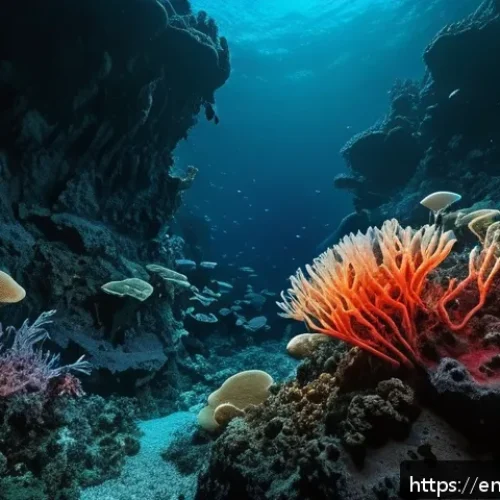
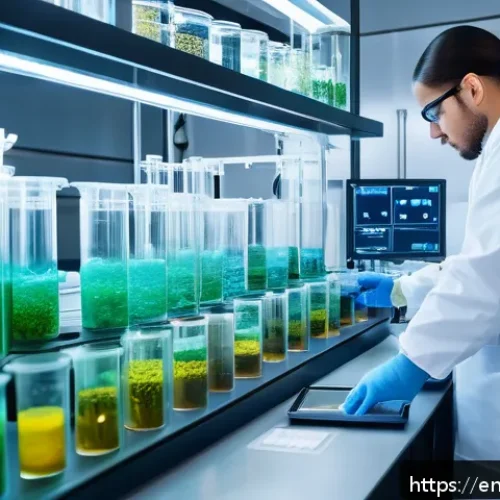
해양 생명공학 응용 - A highly detailed underwater laboratory scene showcasing scientists in modern aquatic research gear ...

The ocean is a vast treasure trove of untapped biological resources, offering incredible potential for innovation in biotechnology. From developing new medicines to creating sustainable biofuels, marine biotechnology is transforming how we approach health and environmental challenges.

해양 생명공학 응용 관련 이미지 1

Advances in this field are not only opening doors to exciting scientific discoveries but also driving economic growth in blue industries worldwide. With cutting-edge techniques, researchers are harnessing the power of marine organisms to solve real-world problems in ways we never imagined.

If you’re curious about how the sea’s secrets are shaping the future of science and industry, stick around—we’re diving into the details ahead!

Unlocking the Potential of Marine Natural Products

Exploring Bioactive Compounds from Ocean Life

The ocean’s biodiversity offers a dazzling array of bioactive compounds that have proven invaluable in drug discovery. Sponges, algae, and marine bacteria produce unique chemicals that can act as antibiotics, antivirals, or anti-inflammatory agents.

From my own experience reading recent studies, the structural complexity of these molecules often surpasses what terrestrial plants can offer. This complexity translates into potent effects against diseases, including cancer and bacterial infections that have become resistant to conventional treatments.

Researchers are constantly diving deeper into unexplored marine habitats, hoping to find novel substances that could lead to breakthrough therapies. It’s thrilling to think that the next lifesaving drug could come from a tiny sea creature lurking in the deep.

Challenges in Harvesting and Cultivating Marine Resources

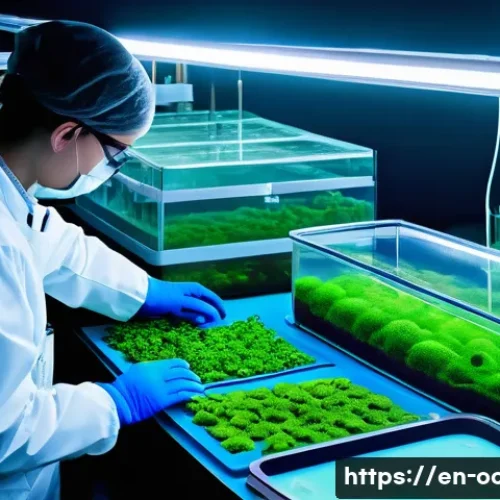
While the promise of marine natural products is enormous, harvesting them sustainably poses serious challenges. Over-collection can damage fragile ecosystems, so scientists are developing aquaculture techniques to culture marine organisms in controlled environments.

Cultivating these species in labs not only protects wild populations but also allows for scalable production of valuable compounds. However, replicating the exact conditions that marine organisms require for optimal growth is no small feat.

Variables such as salinity, temperature, and light need to be precisely managed. I remember attending a conference where a researcher shared how they fine-tuned growth tanks for a rare marine fungus, enabling consistent yields of a powerful antiviral compound.

This blend of biology and engineering is key to unlocking marine biotechnology’s full potential.

Industrial Applications Beyond Pharmaceuticals

Marine-derived compounds aren’t just limited to medicine—they’re making waves in other industries too. For example, bioactive peptides extracted from fish waste are being used in cosmetics to promote skin health and anti-aging effects.

Additionally, enzymes from marine microbes are revolutionizing food processing by enhancing flavor and shelf life naturally. Even the textile industry benefits from marine biopolymers that can be used to create biodegradable fabrics.

These applications highlight how marine biotechnology is fostering sustainable innovation across diverse sectors. The crossover potential excites me because it shows how one discovery can ripple across multiple fields, creating new economic opportunities while respecting the environment.

Advertisement

Innovations in Marine-Derived Biofuels

Algae as a Sustainable Energy Source

Algae have emerged as one of the most promising candidates for renewable biofuels due to their rapid growth and high lipid content. Unlike terrestrial crops, algae don’t compete for arable land or freshwater resources, making them an environmentally friendly option.

In pilot projects I’ve followed, microalgae strains are genetically optimized to boost oil production, which can then be converted into biodiesel or jet fuel.

The ability to grow algae in wastewater or saltwater also reduces the ecological footprint. However, scaling up production remains a hurdle, as costs can be prohibitive without technological advances.

Still, the potential benefits for reducing carbon emissions and dependence on fossil fuels are driving intense research and investment.

Technological Breakthroughs in Algal Biofuel Production

Recent progress in bioreactor design and metabolic engineering is helping overcome some of the traditional barriers to algal biofuel commercialization.

Closed photobioreactors provide controlled environments that maximize algal growth rates and lipid accumulation. Meanwhile, CRISPR gene-editing tools allow scientists to fine-tune metabolic pathways, increasing yield efficiency.

I’ve read about a project where researchers successfully edited algae to double its lipid output, a game-changer for cost-effectiveness. Additionally, advances in harvesting and extraction methods, such as flocculation and supercritical CO2 extraction, reduce energy inputs and improve sustainability.

These innovations make marine biofuels more competitive and closer to large-scale adoption.

Environmental and Economic Impacts of Marine Biofuels

Adopting marine biofuels could significantly mitigate environmental issues associated with traditional energy sources. Algal biofuels generate fewer greenhouse gases, helping combat climate change.

Moreover, integrating algae cultivation with wastewater treatment facilities creates a circular system that cleans water while producing fuel. Economically, marine biofuels have the potential to generate jobs in coastal communities and stimulate the blue economy.

Based on case studies from coastal regions, I’ve seen how biofuel startups are revitalizing local economies by creating new supply chains and technical expertise.

While challenges remain, the synergy between environmental benefits and economic incentives positions marine biofuels as a vital component of a sustainable energy future.

Advertisement

Marine Enzymes: Nature’s Catalysts for Industry

Unique Properties of Marine Enzymes

Marine enzymes exhibit extraordinary stability and efficiency under extreme conditions such as high pressure, salinity, and low temperatures. These properties make them highly desirable for industrial applications where harsh processing environments are common.

For example, cold-adapted enzymes from deep-sea microbes allow for energy savings by enabling reactions at lower temperatures. In my conversations with biotechnologists, they often emphasize how these enzymes outperform their terrestrial counterparts in both robustness and specificity.

This advantage opens doors to greener manufacturing processes across pharmaceuticals, food, and detergents.

Applications in Waste Management and Bioremediation

One exciting application of marine enzymes lies in environmental cleanup. Certain enzymes can degrade persistent pollutants like plastics or oil residues, accelerating bioremediation efforts.

I recall a project where researchers used marine-derived enzymes to break down microplastics in seawater, showing promising preliminary results. These natural catalysts offer a more sustainable alternative to chemical treatments that can cause secondary pollution.

Additionally, enzymatic treatment of industrial wastewater using marine enzymes has been shown to reduce toxicity and improve water quality. Such innovations highlight the critical role of marine biotechnology in addressing global environmental challenges.

Commercialization and Market Potential

The market for marine enzymes is expanding rapidly, driven by increasing demand for eco-friendly and efficient industrial solutions. Companies specializing in enzyme production are investing heavily in marine bioprospecting and fermentation technologies.

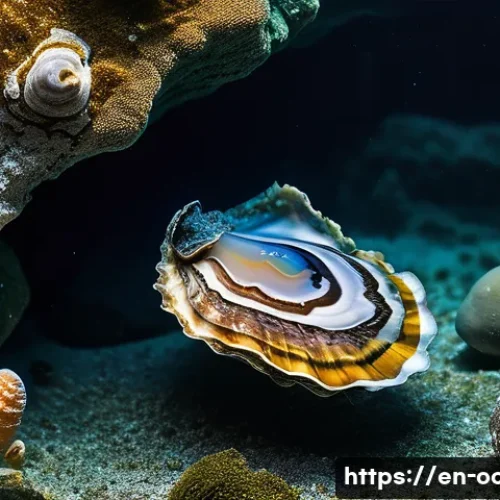
해양 생명공학 응용 관련 이미지 2

From my industry insights, marine enzymes command premium pricing due to their superior performance, but cost reduction through scale-up remains a priority.

Partnerships between academia and industry are fostering accelerated development pipelines, turning marine enzyme research into viable commercial products.

This dynamic ecosystem creates exciting opportunities for entrepreneurs and investors alike, as marine enzymes become integral to sustainable industrial practices.

Advertisement

Marine Biomaterials for Advanced Healthcare

Chitosan and Its Versatile Medical Uses

Chitosan, derived from crustacean shells, is a marine biomaterial with remarkable biocompatibility and biodegradability. It’s widely used in wound dressings, drug delivery systems, and tissue engineering.

What fascinates me is how chitosan’s natural antimicrobial properties help reduce infection risks in medical applications. Researchers have also modified chitosan to create hydrogels that promote faster healing.

My personal exploration into this topic revealed numerous clinical trials demonstrating improved patient outcomes using chitosan-based products. Its ability to interact positively with human tissues positions it as a cornerstone in the development of next-generation medical devices.

Marine Collagen in Regenerative Medicine

Marine collagen, extracted from fish skin and scales, is gaining popularity as a safer and more sustainable alternative to mammalian sources. It supports cell growth and tissue regeneration, making it ideal for cosmetics and orthopedic implants.

The reduced risk of disease transmission and ethical concerns further boost its appeal. I recently came across a startup that produces marine collagen-based scaffolds for cartilage repair, which showed promising preclinical results.

These advances illustrate how marine biomaterials are transforming regenerative medicine by providing innovative, natural solutions that align with patient safety and environmental responsibility.

Emerging Marine-Derived Scaffolds and Hydrogels

Beyond chitosan and collagen, scientists are exploring other marine-derived polymers like alginate and fucoidan for use in biomedical scaffolds and hydrogels.

These materials offer tunable mechanical properties and bioactivity, crucial for supporting cell adhesion and proliferation. In labs I’ve visited, the development of 3D-printed marine polymer scaffolds has enabled precise tissue modeling for drug testing and organ regeneration.

These technologies promise to reduce reliance on animal testing and improve personalized medicine approaches. The integration of marine biomaterials into healthcare underscores the ocean’s untapped potential for revolutionizing treatment paradigms.

Advertisement

Economic Growth and Sustainability in Blue Biotechnology

Blue Economy Expansion through Marine Biotechnology

Marine biotechnology is a major driver of the expanding blue economy, which encompasses industries like aquaculture, pharmaceuticals, and bioenergy. Coastal regions worldwide are capitalizing on marine biotech to diversify their economies and create high-skilled jobs.

From what I’ve observed, public-private partnerships and government incentives play critical roles in fostering innovation hubs. These ecosystems attract startups, research institutions, and investors, accelerating technology transfer from lab to market.

The ripple effects of this growth include improved infrastructure, education, and environmental stewardship, positioning blue biotechnology as a cornerstone for sustainable development.

Balancing Innovation with Marine Conservation

While economic growth is essential, it must be balanced with the preservation of marine ecosystems. Responsible marine biotechnology practices emphasize sustainability, minimizing ecological impact while maximizing benefits.

For example, integrated multi-trophic aquaculture systems recycle nutrients and reduce waste, exemplifying circular economy principles. From my engagement with environmental experts, it’s clear that stakeholder collaboration—including local communities, regulators, and scientists—is vital to crafting policies that protect biodiversity.

This balance fosters long-term viability, ensuring that marine resources remain available for future generations and continued innovation.

Global Trends and Future Outlook

Looking ahead, marine biotechnology is poised for exponential growth fueled by technological advances and increasing societal demand for sustainable products.

Emerging trends include synthetic biology applications to design novel marine organisms and enhanced data analytics for bioprospecting. I am particularly excited about the potential for AI-driven discovery platforms that can rapidly identify promising marine compounds from vast datasets.

Countries investing strategically in marine biotech infrastructure will likely emerge as leaders in this global market. Ultimately, the fusion of science, sustainability, and entrepreneurship will shape a future where the ocean’s biological wealth drives transformative solutions across industries.

Application Area Marine Source Benefits Challenges
Pharmaceuticals Sponges, Algae, Bacteria Novel drug discovery, antibiotic resistance solutions Sustainable harvesting, cultivation complexity
Biofuels Microalgae Renewable energy, reduced land use Scaling production, cost reduction
Industrial Enzymes Marine microbes Robustness under extreme conditions, energy efficiency Commercial scale-up, cost competitiveness
Medical Biomaterials Crustacean shells, Fish skin Biocompatibility, regenerative medicine Extraction efficiency, regulatory approval
Environmental Bioremediation Marine enzymes Pollutant degradation, sustainable cleanup Enzyme stability, deployment methods
Advertisement

Conclusion

The vast potential of marine natural products continues to inspire innovation across multiple industries. From groundbreaking medical therapies to sustainable energy solutions, the ocean offers a treasure trove of resources waiting to be responsibly explored. As technology advances and awareness grows, the integration of marine biotechnology into everyday life promises a healthier planet and economy. Embracing this blue frontier requires a balance of scientific curiosity, environmental stewardship, and collaborative effort.

Advertisement

Useful Information to Know

1. Marine organisms produce complex bioactive compounds that can lead to novel drugs, especially for antibiotic-resistant infections.
2. Sustainable cultivation methods are essential to protect marine ecosystems while enabling large-scale production of valuable compounds.
3. Algae-based biofuels offer a promising alternative to fossil fuels by utilizing non-arable land and wastewater for growth.
4. Marine enzymes perform efficiently in extreme conditions, making them ideal for eco-friendly industrial applications.
5. Marine biomaterials like chitosan and collagen are revolutionizing regenerative medicine with biocompatible and ethical options.

Advertisement

Key Takeaways

Marine biotechnology stands at the intersection of innovation and sustainability, driving economic growth while prioritizing environmental care. Successful development depends on overcoming challenges such as sustainable resource management, cost-effective production, and regulatory compliance. Collaboration among scientists, industry leaders, and policymakers is crucial to harness the full benefits of marine resources. Ultimately, responsible exploitation of the ocean’s biological wealth can lead to transformative advances in healthcare, energy, and environmental protection.

Frequently Asked Questions (FAQ) 📖

Q: What are some practical applications of marine biotechnology in medicine?

A: Marine biotechnology has led to the discovery of novel compounds from marine organisms that show promising potential in treating diseases such as cancer, bacterial infections, and inflammatory conditions.
For example, compounds derived from sponges and algae have been developed into antiviral and anticancer agents. Personally, I’ve read about a few marine-based drugs already approved by the FDA, which really highlights how the ocean’s biodiversity is a goldmine for pharmaceutical innovation.
These breakthroughs are exciting because they offer new treatment options that traditional terrestrial sources couldn’t provide.

Q: How does marine biotechnology contribute to environmental sustainability?

A: One of the coolest things about marine biotechnology is its role in creating sustainable solutions like biofuels and biodegradable materials. Researchers are exploring algae as a renewable energy source that could reduce our dependence on fossil fuels.
I remember seeing a pilot project where microalgae were used to produce biofuel efficiently, which seemed like a promising step toward cleaner energy.
Additionally, enzymes from marine organisms are being used to break down pollutants and plastics, helping to tackle environmental pollution in innovative ways.

Q: What economic benefits does marine biotechnology offer to the blue economy?

A: Marine biotechnology is a major driver of economic growth within the blue economy by creating new industries and job opportunities. The development of marine-derived products, from cosmetics to nutraceuticals, has opened up markets worldwide.
I’ve noticed that coastal regions investing in marine biotech research often see boosts in employment and local business development. Plus, with the global demand for sustainable and natural products rising, marine biotechnology is well-positioned to generate significant revenue while promoting environmental stewardship.

📚 References


➤ Link

– Google Search

➤ Link

– Bing Search

➤ Link

– Google Search

➤ Link

– Bing Search

➤ Link

– Google Search

➤ Link

– Bing Search

➤ Link

– Google Search

➤ Link

– Bing Search

➤ Link

– Google Search

➤ Link

– Bing Search

➤ Link

– Google Search

➤ Link

– Bing Search
Advertisement