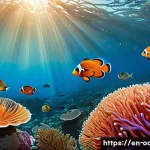
Coral reefs, those vibrant underwater cities teeming with life, are far more complex than they appear. The secret to their survival lies in a delicate dance, a symbiotic partnership between coral animals and microscopic algae called zooxanthellae.
I remember snorkeling once in the Florida Keys and being absolutely mesmerized by the sheer diversity of colors and shapes – all powered by this incredible relationship.
It’s fascinating to think that these tiny algae, living within the coral tissue, are providing the coral with essential nutrients through photosynthesis.
This partnership is what allows coral reefs to thrive in nutrient-poor waters. But what happens when this symbiosis is disrupted? What does the future hold for these vital ecosystems in the face of climate change?
Let’s delve deeper and get a clearer picture of this fascinating process in the following article.
## Unveiling the Symbiotic Marvel: The Coral-Zooxanthellae PartnershipThe relationship between corals and zooxanthellae is a textbook example of mutualism in the marine world.
Having spent countless hours diving in the Caribbean, I’ve witnessed firsthand the delicate balance of this partnership. Corals, being animals, need a source of energy, and they get this from the zooxanthellae, which are algae that live within their tissues.
These algae perform photosynthesis, using sunlight to convert carbon dioxide and water into glucose, glycerol, and amino acids. The coral then uses these products as energy.
In return, the coral provides the zooxanthellae with a protected environment and access to the nutrients they need for photosynthesis. It’s like a perfectly orchestrated dance where each partner benefits from the other.
When conditions are stable, this relationship flourishes, allowing coral reefs to grow and thrive.
The Algae’s Photosynthetic Gift
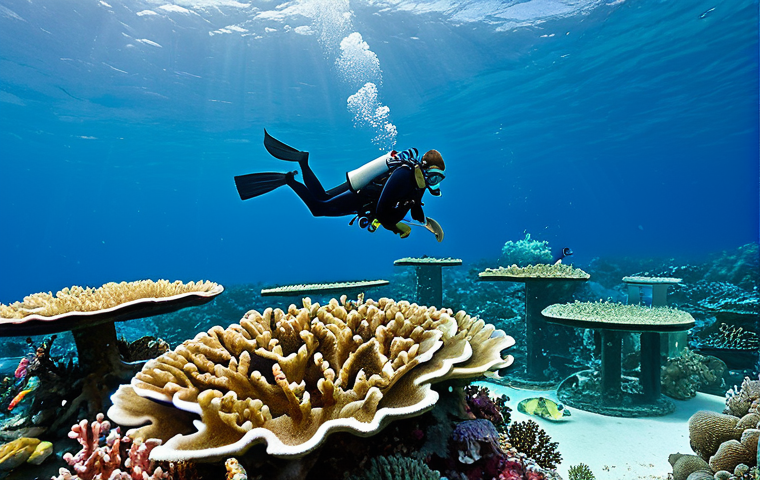
The Zooxanthellae supply the coral with up to 90% of its nutritional needs through photosynthesis. It’s incredible to think about this microscopic powerhouse fueling the entire coral animal.
A Protected Home for Algae
The coral provides a safe habitat and the necessary compounds for photosynthesis, making it an ideal environment for the zooxanthellae to thrive.
How Environmental Stressors Upset the Balance
Unfortunately, this symbiotic relationship is highly sensitive to environmental changes. I remember one particular dive trip to Belize after a period of unusually warm weather.
What was once a vibrant reef was now noticeably paler, a stark reminder of the impact of rising sea temperatures. When water temperatures rise, or when other environmental stressors such as pollution or changes in salinity occur, the zooxanthellae can become stressed and produce harmful levels of reactive oxygen species.
The coral responds by expelling the algae from its tissues, leading to coral bleaching. Bleached corals are not dead, but they are severely weakened and more susceptible to disease and starvation.
The longer the bleaching event lasts, the lower the chances of the coral recovering.
Temperature Sensitivity
Even small increases in water temperature can trigger coral bleaching. It is such a bummer to see this happen while diving and knowing the reefs are stressed out.
Pollution’s Impact
Pollutants like pesticides and herbicides can disrupt the photosynthetic processes of zooxanthellae, weakening the symbiotic relationship.
Salinity Fluctuations
Rapid changes in salinity, whether due to heavy rainfall or freshwater runoff, can also stress corals and lead to bleaching.
The Cascade Effect: Reef Ecosystems in Peril
Coral bleaching is not just a problem for the corals themselves; it has cascading effects throughout the entire reef ecosystem. Coral reefs provide habitat for a vast array of marine species, from colorful reef fish to sea turtles and invertebrates.
When corals bleach and die, these species lose their food sources and shelter, leading to declines in biodiversity and changes in community structure.
I’ve seen firsthand how a bleached reef transforms from a bustling metropolis of marine life to a desolate wasteland. The loss of coral reefs can also have significant economic consequences for coastal communities that rely on them for tourism, fisheries, and coastal protection.
Loss of Habitat
Coral reefs provide critical habitat for a quarter of all marine life. When they disappear, so do the species that depend on them.
Disruptions in the Food Chain
The decline in coral populations disrupts the entire food chain, impacting everything from small plankton-feeding fish to larger predators.
Economic Impacts
The degradation of coral reefs can have significant economic consequences for coastal communities that rely on them for tourism, fisheries, and coastal protection.
Exploring Coral Resilience: Hope for the Future
Despite the bleak outlook, there is still hope for coral reefs. Some corals are more resilient to bleaching than others, and scientists are working to identify and propagate these “super corals.” There are ongoing projects to transplant coral fragments grown in nurseries back onto degraded reefs.
I’ve even volunteered on a few coral restoration projects, and it’s incredibly rewarding to see new corals taking hold and starting to rebuild a damaged reef.
Additionally, efforts to reduce carbon emissions, improve water quality, and manage fishing pressure can help to create conditions that are more favorable for coral survival.
Identifying Super Corals
Scientists are studying the genetic makeup of corals to identify those that are naturally more resistant to bleaching.
Coral Nurseries and Restoration Projects
Coral nurseries are used to grow coral fragments that can then be transplanted back onto degraded reefs. This is an intervention strategy to revitalize damaged areas.
Addressing Climate Change
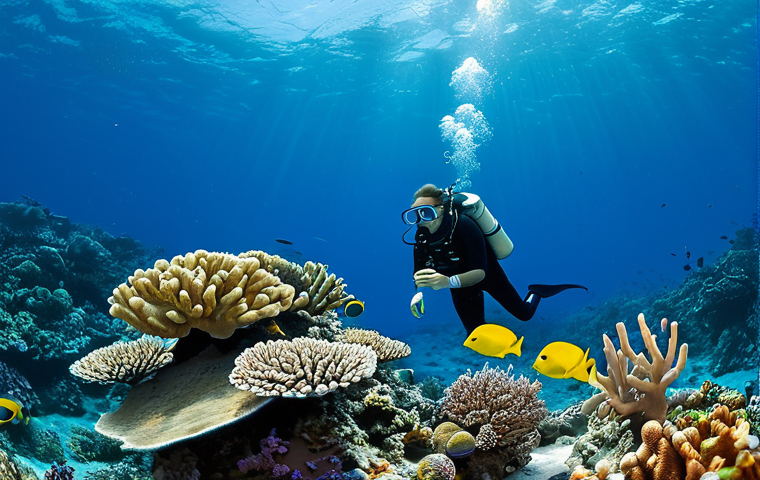
Reducing carbon emissions and mitigating climate change is critical for the long-term survival of coral reefs.
Innovative Approaches to Reef Conservation
Beyond the traditional methods, there are also some innovative approaches being explored to help protect coral reefs. One promising technique is assisted evolution, which involves selectively breeding corals to enhance their resilience to heat stress.
Another approach is the use of probiotics to improve coral health and resistance to disease. Scientists are also experimenting with 3D-printed reefs and other artificial structures to provide habitat for marine life and facilitate coral growth.
I recently read about a project using mineral accretion technology, where a low-voltage electrical current is used to stimulate coral growth.
Assisted Evolution
This involves selectively breeding corals to enhance their resilience to heat stress.
Probiotics for Corals
The use of probiotics can improve coral health and resistance to disease.
Mineral Accretion Technology
This uses a low-voltage electrical current to stimulate coral growth.
Sustainable Practices and Responsible Tourism
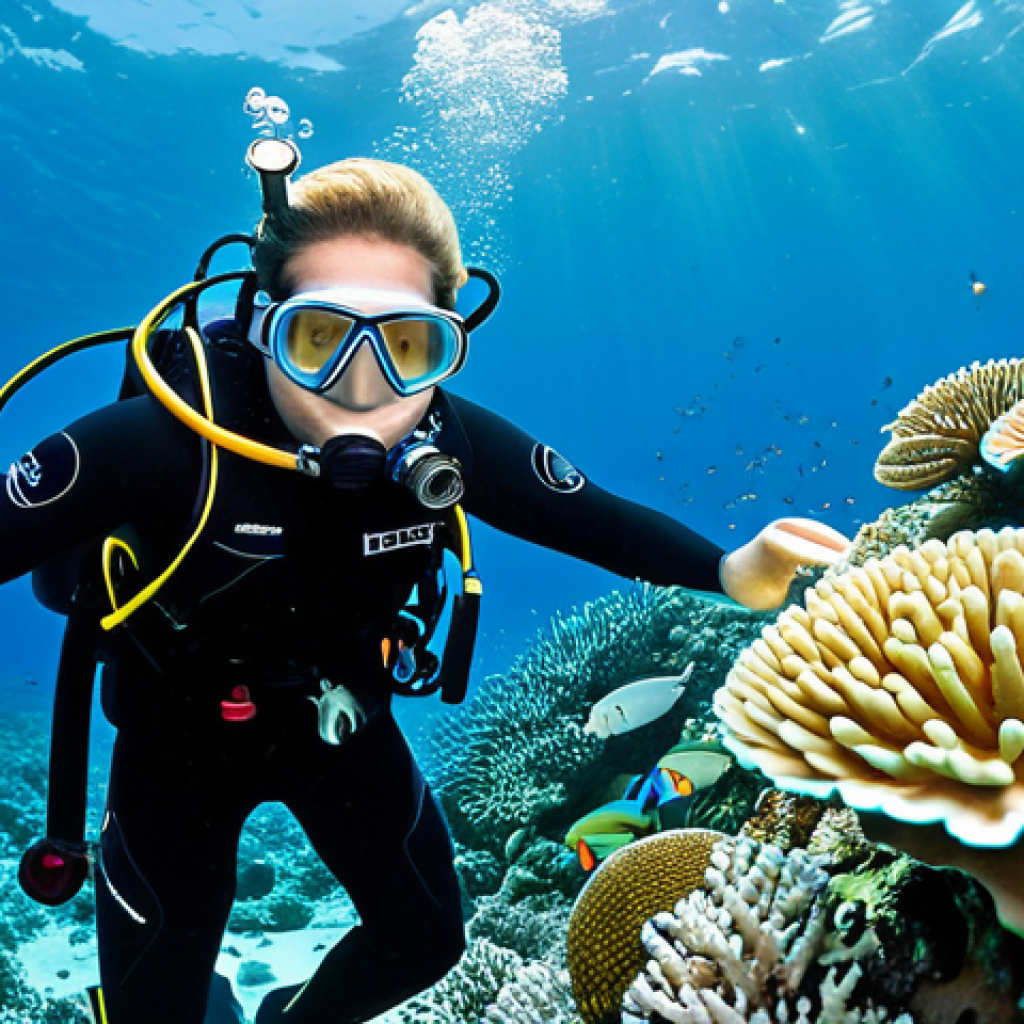
Ultimately, the future of coral reefs depends on our ability to adopt sustainable practices and promote responsible tourism. As divers and ocean enthusiasts, we have a responsibility to minimize our impact on these fragile ecosystems.
This means avoiding touching or standing on corals, using reef-safe sunscreen, and supporting businesses that are committed to sustainable practices. It also means advocating for policies that protect coral reefs and reduce pollution.
I always make sure to choose eco-friendly dive operators and educate others about the importance of coral reef conservation. By working together, we can help ensure that these incredible ecosystems thrive for generations to come.
Reef-Safe Sunscreen
Sunscreens containing oxybenzone and octinoxate can harm coral reefs. Choose reef-safe alternatives that do not contain these chemicals.
Responsible Diving Practices
Avoid touching or standing on corals, and be mindful of your buoyancy to prevent damage.
Supporting Sustainable Businesses
Choose dive operators and businesses that are committed to sustainable practices and coral reef conservation.
| Factor | Impact on Coral Reefs | Mitigation Strategies |
|---|---|---|
| Rising Sea Temperatures | Coral bleaching, reduced growth rates | Reduce carbon emissions, promote renewable energy |
| Ocean Acidification | Reduced calcification rates, weakened coral skeletons | Reduce carbon emissions, promote carbon sequestration |
| Pollution | Nutrient imbalances, algal blooms, coral diseases | Improve wastewater treatment, reduce agricultural runoff |
| Overfishing | Disruption of food webs, loss of key species | Implement sustainable fishing practices, establish marine protected areas |
| Physical Damage | Damage from boat anchors, divers, and coastal development | Establish mooring buoys, promote responsible diving, regulate coastal development |
The dance between corals and zooxanthellae is a delicate one, and it’s up to us to ensure its survival. Every small action counts, whether it’s choosing reef-safe sunscreen or advocating for stronger environmental policies.
Having seen the reefs firsthand, their beauty and importance are something I want future generations to experience. Let’s commit to protecting these underwater paradises.
Wrapping Up
As divers and ocean enthusiasts, we all share the responsibility to minimize our impact on the reefs, and that starts with the conscious decisions we make every time we come into contact with these fragile ecosystems.
As such, our collective efforts can make a real difference, and by acting responsibly, we can help guarantee that the incredible coral reefs continue to thrive for the enjoyment of generations yet to come.
What’s more, it’s crucial to also support sustainable businesses and advocate for policies that would protect our precious reefs. In unity, we can ensure the ongoing health and vitality of these undersea paradises.
So let’s keep learning, keep exploring, and, most importantly, keep protecting our vibrant coral reefs.
Useful Tidbits to Know
1. Consider volunteering for local reef cleanup or restoration projects. Many organizations offer opportunities to get involved and make a direct impact.
2. Explore eco-friendly tourism options. Opt for tour operators and dive centers that prioritize sustainable practices and environmental conservation.
3. Spread awareness among your friends and family. Educate others about the importance of coral reefs and the simple steps they can take to help protect them.
4. Reduce your carbon footprint. Support initiatives that promote renewable energy and help reduce carbon emissions to mitigate the impacts of climate change on coral reefs.
5. Stay informed about current reef conservation efforts. Follow reputable organizations and scientists working on coral reef research and conservation to stay up-to-date on the latest findings and initiatives.
Key Takeaways
Coral reefs are biodiversity hotspots facing severe threats. The symbiotic relationship between corals and zooxanthellae is crucial but sensitive to environmental stressors like temperature changes and pollution.
Coral bleaching leads to habitat loss and economic consequences, but there’s hope through super corals, restoration projects, and addressing climate change. Innovative approaches like assisted evolution and mineral accretion technology show promise.
Sustainable practices, responsible tourism, and community involvement are vital for reef conservation. By acting responsibly, we can help ensure these ecosystems thrive for future generations.
Frequently Asked Questions (FAQ) 📖
Q: I’ve heard about coral bleaching. What exactly is it, and why is it such a big deal?
A: So, coral bleaching is basically what happens when corals get super stressed out, usually from rising water temperatures. It’s like they’re having a major freak-out.
They expel those zooxanthellae algae, their symbiotic partners, that give them color and, more importantly, essential nutrients. Without those algae, the coral turns white, hence “bleaching.” Think of it like a person not getting enough food – they get weak and sick.
Bleached corals can survive for a bit, but they’re much more vulnerable to disease and starvation. If the stress lasts too long, they’ll die, and that’s a disaster for the whole reef ecosystem.
I saw it firsthand on a dive trip off the coast of Key Largo – whole sections of reef, just ghostly white. It’s heartbreaking.
Q: Okay, so climate change is a major threat, but what can actually be done to protect coral reefs? Is there any hope?
A: Absolutely, there’s hope! It’s not all doom and gloom, though it definitely requires some serious action. On a global scale, reducing our carbon footprint is crucial – it’s the root cause of rising ocean temperatures.
But there are also things we can do locally. For example, reducing pollution runoff from agriculture and coastal development helps keep the water cleaner, which makes corals less stressed.
There are also some really cool projects like coral nurseries and reef restoration efforts. I remember volunteering with a group planting baby corals in the Caribbean; it was amazing to see how these small efforts can make a difference.
Scientists are even exploring heat-resistant coral varieties that could be more resilient to climate change. It’s a multi-pronged approach, but it’s definitely possible to make a positive impact.
Q: I’m planning a vacation to Hawaii next year. How can I be a responsible tourist and help protect the coral reefs I might visit?
A: That’s fantastic! Being a responsible tourist makes a huge difference. First off, choose reef-safe sunscreen.
The chemicals in many sunscreens are toxic to coral. Look for mineral-based sunscreens with zinc oxide or titanium dioxide. Avoid touching or disturbing the coral in any way while swimming or diving.
Even a light touch can damage the delicate polyps. When booking tours, choose operators who follow sustainable practices and are committed to reef conservation.
Finally, be mindful of your waste and avoid single-use plastics, which often end up in the ocean. I always pack my own reusable water bottle and shopping bag when I travel.
Every little bit helps! Enjoy your trip to Hawaii – the reefs there are spectacular, and it’s worth doing your part to protect them.
📚 References
Wikipedia Encyclopedia