Hey there, ocean lovers! Have you ever paused to truly think about the incredible, often mysterious world thriving beneath the waves? I mean, it’s mind-boggling to consider that our oceans cover over 70% of this planet, yet we’ve barely scratched the surface of the millions of species that call it home, each with its own incredible evolutionary tale.
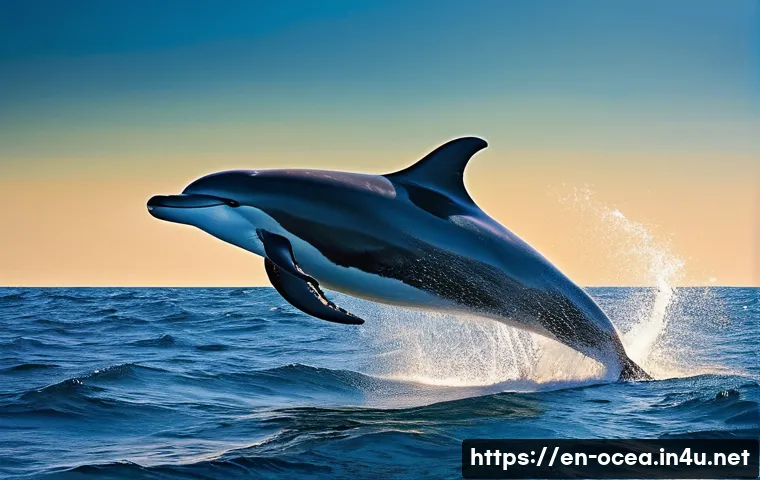
From the tiniest bioluminescent critters in the deepest trenches to the majestic whales roaming vast expanses, marine biodiversity is truly a wonder to behold.
But let’s be real, this vital blue heart of our Earth is facing some serious challenges right now—things like climate change, pollution, and overfishing are really taking a toll, even as scientists are discovering brand new species almost daily!
It makes you wonder, doesn’t it, how these ancient ecosystems are adapting and what their future holds. So, let’s dive deep and explore the fascinating world of marine biodiversity and evolution, shall we?
You’re going to want to stick around for this!
Unveiling the Ocean’s Hidden Marvels: A Biodiversity Bonanza
It’s truly mind-boggling when you stop to think about how much life teems beneath the waves, isn’t it? I mean, we’re talking about an entire world, mostly unseen, that’s just bursting with incredible diversity.
Every time I watch a documentary or even just scroll through some breathtaking underwater photography, I’m absolutely stunned by the sheer variety of creatures.
From the microscopic plankton that form the base of the food web to the colossal blue whales that gracefully glide through vast oceans, marine biodiversity is a spectacular testament to nature’s boundless creativity.
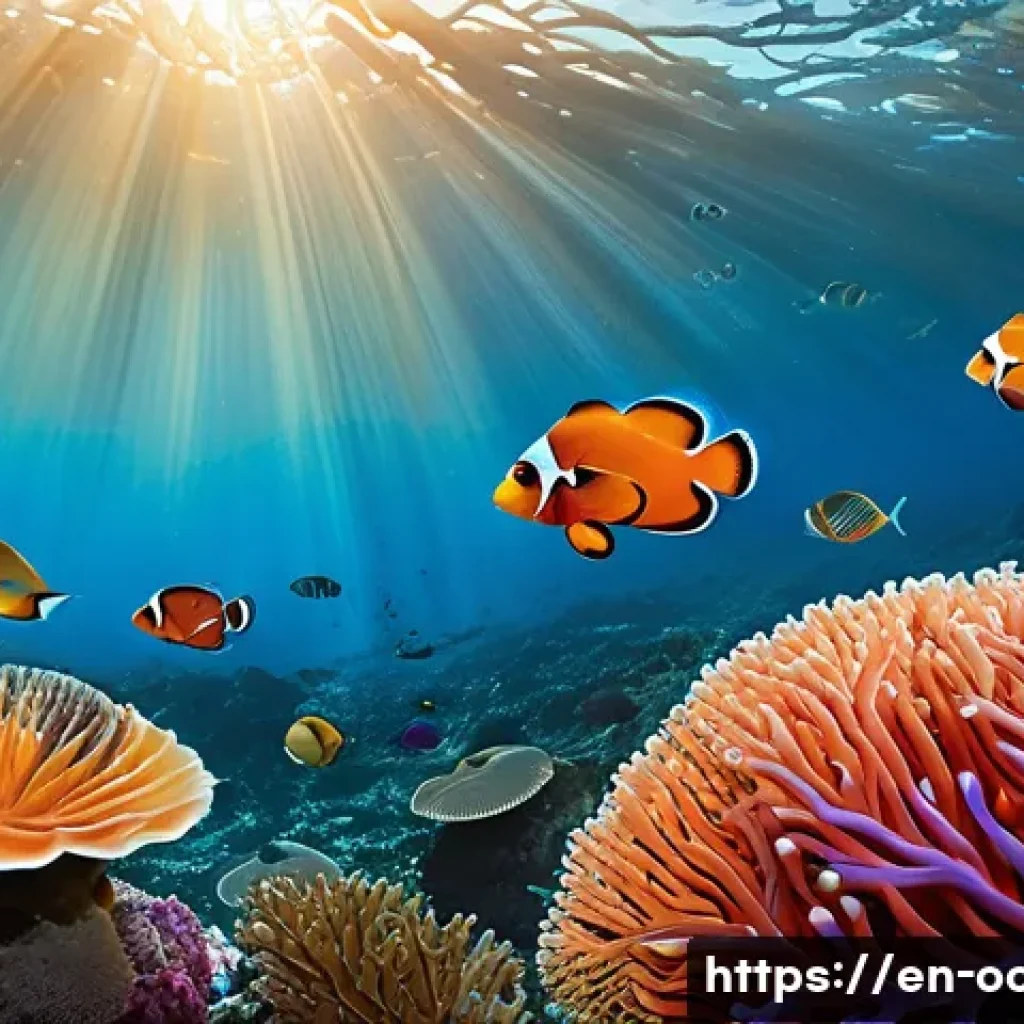
It’s not just about the big, flashy creatures either; think about the vibrant coral reefs, often called the “rainforests of the sea,” that host an unbelievable array of fish, invertebrates, and plant life, all living in a complex, interconnected dance.
This incredible range of life has adapted to every conceivable niche, from sunlit shallows to crushing abyssal plains, developing unique features and behaviors that scientists are still unraveling.
Honestly, it feels like we’ve only just begun to understand the intricate relationships and the delicate balance that keeps these ecosystems thriving.
The more we learn, the more I realize how much more there is to discover, and that sense of wonder never truly fades. It makes you feel like a kid again, doesn’t it, peering into a giant, mysterious aquarium?
The Intricate Web of Life
When you picture marine biodiversity, it’s easy to focus on individual species, but the real magic lies in their interactions. Think about the symbiotic relationship between clownfish and sea anemones – one gets protection, the other gets food scraps, a perfect little partnership.
Or consider the vast schools of fish moving as one, a living, breathing entity that confuses predators and ensures survival. This intricate web is what makes marine ecosystems so resilient, yet also so vulnerable.
Every single organism, no matter how small or seemingly insignificant, plays a vital role. Disrupt one part, and you risk a ripple effect that can destabilize the whole system.
I’ve seen firsthand in some documentaries how the removal of a top predator can completely alter a reef, leading to an explosion of certain prey species and the decline of others.
It really highlights how everything is connected, and how important it is to protect every thread in this vast underwater tapestry.
From Microbes to Megafauna
It’s almost impossible to grasp the scale of marine life, spanning from the tiniest single-celled organisms to the largest animals on Earth. The oceans are teeming with microbial life, often unseen, that perform crucial functions like nutrient cycling and oxygen production.
These microscopic powerhouses are the true unsung heroes of the marine world! Then, as you move up the scale, you encounter an incredible array of invertebrates – jellyfish pulsating through the water, octopuses masterfully camouflaging themselves, and countless crustaceans scuttling along the seafloor.
And, of course, the vertebrates: an astounding variety of fish, from the iridescent darting beauties of the tropics to the bizarre, glow-in-the-dark denizens of the deep.
Then come the reptiles like sea turtles, the birds like albatrosses soaring above, and the magnificent marine mammals – seals, dolphins, and those incredible whales.
I always get chills thinking about the sheer evolutionary triumph these creatures represent, each perfectly sculpted by millennia of natural selection to thrive in their aquatic homes.
It’s truly a testament to the power of adaptation.
The Great Adaptation: How Marine Life Evolves
It’s easy to look at the incredible diversity of marine life today and just assume it’s always been this way, but the truth is, every single creature we see has an amazing evolutionary story behind it.
The ocean has been a crucible of life for billions of years, constantly shaping and refining species through natural selection. Think about it: moving from land back into the water, or adapting to pitch-black depths, or even evolving to withstand crushing pressures – these are not small feats!
I find it absolutely fascinating to trace the lineage of marine mammals, for example, from their land-dwelling ancestors to the sleek, streamlined forms we know today.
It’s a powerful reminder that life isn’t static; it’s a dynamic, ever-changing process. Evolution isn’t about aiming for perfection, but rather about organisms continually finding ways to survive and reproduce in their specific environments, often leading to astonishing and sometimes downright quirky adaptations.
This constant biological arms race, where species are always refining their defenses, hunting techniques, and reproductive strategies, is what makes the marine world such a vibrant and endlessly interesting place to observe.
Evolutionary Innovations in Water
Life in the ocean presents a unique set of challenges, and marine organisms have developed some truly ingenious solutions. Take bioluminescence, for instance, where creatures produce their own light.
It’s not just for show; it’s used for attracting mates, luring prey, or even confusing predators in the deep, dark ocean where sunlight never reaches.
Or consider the hydrostatic skeletons of jellyfish and octopuses, allowing for incredibly fluid and precise movements without bones. Then there are the master camouflagers, like cuttlefish and flatfish, that can change their skin texture and color in an instant to blend seamlessly with their surroundings.
I’m always amazed by how specialized some of these adaptations are. It truly demonstrates the power of evolutionary pressure to sculpt life in incredible ways, making creatures perfectly suited to their specific ecological niches.
It’s like nature’s own extreme makeover show, but with millions of years of fine-tuning!
Genetic Drift and Natural Selection’s Role
At the heart of marine evolution are the fundamental mechanisms of genetic drift and natural selection. Imagine a population of fish, some slightly faster, some a bit more brightly colored, some better at hiding.
If a new predator enters the scene, or if the water temperature changes, those with advantageous traits – perhaps the faster ones or the ones better at camouflaging – are more likely to survive, reproduce, and pass on their genes.
Over countless generations, these subtle differences accumulate, leading to entirely new species or significant shifts within existing ones. Genetic drift, on the other hand, is like a random shuffle, where gene frequencies change purely by chance, especially in smaller populations.
Both of these forces work in tandem, often over millions of years, to sculpt the incredible diversity we see today. It’s not a guided process; it’s a relentless, opportunistic journey where adaptability is key.
I often think about how many failed evolutionary experiments there must have been, leading to the successful ones we marvel at today!
Tiny Titans to Gentle Giants: Remarkable Evolutionary Journeys
The sheer range in size and form of marine creatures is absolutely breathtaking, and each one has an epic evolutionary journey behind it. From the smallest plankton, barely visible to the naked eye, to the largest animal on Earth, the blue whale, measuring up to 100 feet long, the ocean has pushed the boundaries of life in every direction.
It makes you realize that survival isn’t just about being big or small; it’s about being *fit* for your environment. Think about the incredible leap from land to sea that led to whales and dolphins.
Their ancestors were furry, four-legged creatures, and over millions of years, they slowly adapted. Their legs became flippers, their nostrils moved to the top of their heads to form blowholes, and their bodies streamlined for efficient movement through water.
It’s a truly astounding transformation! And then there are the creatures of the deep, like the anglerfish, with its terrifying bioluminescent lure, a perfect adaptation for hunting in eternal darkness.
These examples aren’t just fascinating stories; they are powerful lessons in how life finds a way, no matter how challenging the circumstances.
The Saga of Marine Mammals
The evolution of marine mammals is one of the most compelling stories in biology. Imagine a small, deer-like creature, Pakicetus, living near freshwater around 50 million years ago.
Fast forward through millions of years, and you see gradual changes: limbs shortening, bodies becoming more torpedo-shaped, nostrils shifting. Eventually, you arrive at the majestic whales and playful dolphins we adore today.
This journey involved incredible physiological changes, from adapting kidneys to process saltwater to developing highly efficient oxygen storage for deep dives.
I always get a thrill thinking about this process; it’s like watching a time-lapse film of evolution in action. The development of echolocation in toothed whales, for instance, is a marvel – a sophisticated biological sonar system that allows them to navigate and hunt in murky waters.
It’s truly a testament to how relentless and innovative nature can be.
Deep-Sea Extremophiles: Life Beyond Light
The deep sea, a realm of perpetual darkness, crushing pressure, and freezing temperatures, seems like an impossible place for life to thrive. Yet, it is home to an astonishing array of creatures, many of which look like something straight out of a science fiction movie.
How do they do it? Through incredible evolutionary adaptations! Some creatures, like the infamous anglerfish, use bioluminescence to attract prey or mates.
Others have developed specialized sensory organs to detect the slightest vibrations or chemical cues. Many deep-sea organisms grow very slowly and live for hundreds of years, conserving energy in an environment where food is scarce.
I’m always utterly spellbound by hydrothermal vent ecosystems, where life is sustained not by sunlight but by chemosynthesis – bacteria converting chemicals from Earth’s interior into energy.
It’s a completely different kind of food chain, proving that life is far more adaptable and resourceful than we often imagine.
When Worlds Collide: The Impact of Human Activity
Let’s be real for a moment. As amazing as marine biodiversity and evolution are, we can’t ignore the elephant in the ocean: human impact. It genuinely breaks my heart to see the toll our actions are taking on these incredible ecosystems.
From climate change warming the waters and acidifying the oceans, to plastic pollution choking marine life, and overfishing depleting vital populations, the challenges are immense.
It often feels overwhelming, like trying to empty the ocean with a teacup. I remember seeing a picture once of a sea turtle tangled in a plastic fishing net, and it just stuck with me – a stark reminder of the real-world consequences of our modern lifestyles.
These ancient ecosystems, which have adapted to so much over millions of years, are now facing pressures that are unprecedented in their speed and scale.
It’s a wake-up call, truly, and one we absolutely cannot afford to ignore if we want to preserve the ocean’s wonders for future generations.
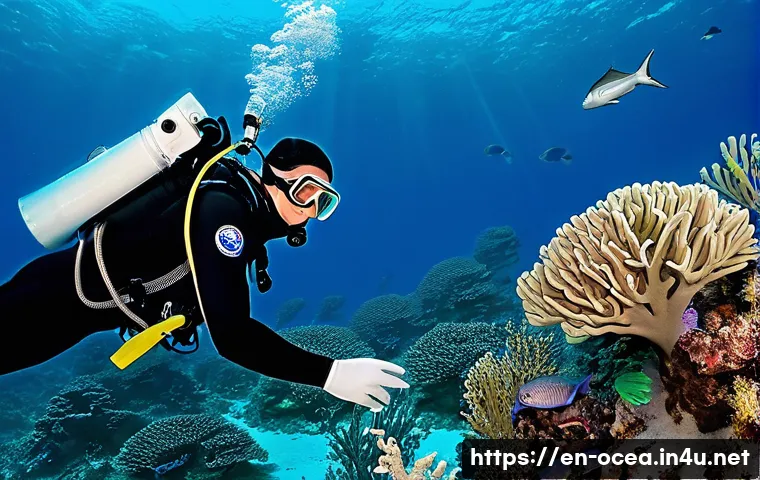
Climate Change: A Warming, Acidifying Ocean
The rise in global temperatures due to human activity is having a profound and devastating effect on our oceans. Warmer waters are stressing coral reefs, leading to widespread bleaching events that can kill entire ecosystems.
I’ve heard stories from divers who’ve seen once vibrant, colorful reefs turn ghostly white, and it sounds absolutely heartbreaking. Beyond temperature, the ocean absorbs a significant amount of the carbon dioxide we release, leading to ocean acidification.
This isn’t just a fancy scientific term; it means the water is becoming more acidic, making it incredibly difficult for shellfish, corals, and plankton to build their shells and skeletons.
Imagine trying to build a house when your bricks are constantly dissolving – that’s the reality for many marine organisms. This shift can disrupt entire food webs, impacting everything from tiny plankton to the whales that feed on them.
It’s a silent threat, but one with potentially catastrophic consequences.
Pollution and Overfishing: Dual Threats
Beyond climate change, two other major culprits are wreaking havoc: pollution and overfishing. Plastic pollution, in particular, has become a global crisis.
Every year, millions of tons of plastic enter our oceans, breaking down into microplastics that are ingested by marine life at every level of the food chain.
I can’t even begin to tell you how often I see news reports about whales washing ashore with stomachs full of plastic bags. It’s a truly sickening thought.
Then there’s overfishing, where we’re simply taking too many fish out of the ocean, too quickly, without allowing populations to recover. This isn’t just about specific fish species; it disrupts entire ecosystems, affecting predators who lose their food source and the overall health of the marine environment.
It’s like constantly withdrawing from a bank account without ever making a deposit; eventually, you’re going to run out.
Guardians of the Blue: Our Role in Conservation
Alright, so we’ve talked about the incredible beauty and the daunting challenges, but here’s where we get to the good stuff: what *we* can do. It’s easy to feel helpless in the face of such massive problems, but I truly believe that every single one of us has a role to play in becoming a guardian of our oceans.
It might feel small, like choosing a reusable water bottle instead of single-use plastic, or making informed seafood choices, but these actions collectively create a powerful ripple effect.
Conservation isn’t just for scientists and policymakers; it’s for everyone who loves the ocean, everyone who recognizes its vital importance to our planet.
I’ve seen some truly inspiring grassroots efforts, from local beach cleanups to communities advocating for marine protected areas, and it fills me with hope.
We simply cannot stand by and watch these magnificent ecosystems disappear. It’s our collective responsibility, and honestly, our privilege, to protect them.
Empowering Sustainable Choices
Making sustainable choices in our daily lives is a huge part of the solution. Think about the seafood you eat. Is it sustainably sourced?
There are fantastic guides and apps available that can help you make ocean-friendly choices, ensuring that the fish you enjoy haven’t been caught in ways that harm other species or deplete populations.
Beyond food, consider reducing your plastic consumption. It’s not always easy, I know, but even small swaps like using a reusable coffee cup or shopping bag make a difference.
And supporting companies that are genuinely committed to environmental responsibility? That’s a big one too! It’s about being mindful consumers and using our purchasing power to drive change.
Every time you say “no” to something harmful and “yes” to something sustainable, you’re casting a vote for a healthier ocean.
Supporting Marine Protected Areas and Research
One of the most effective strategies for protecting marine biodiversity is the establishment and enforcement of Marine Protected Areas (MPAs). These are like national parks for the ocean, places where marine life can thrive without the pressures of fishing or other destructive human activities.
I’ve heard countless stories of how MPAs can lead to a dramatic recovery of fish populations and overall ecosystem health. They are vital nurseries and safe havens.
Additionally, supporting scientific research is absolutely critical. We can’t protect what we don’t understand, and scientists are constantly uncovering new information about marine ecosystems, identifying threats, and developing conservation solutions.
This support can come through donations to reputable conservation organizations or even just by sharing their work and raising awareness. Knowledge is power, and scientific understanding is our best tool for effective conservation.
| Marine Species | Key Evolutionary Adaptation | Why it’s Crucial for Survival |
|---|---|---|
| Anglerfish | Bioluminescent lure | Attracts prey in the pitch-black deep sea, crucial for hunting in an energy-scarce environment. |
| Whales & Dolphins | Echolocation | Biological sonar used for navigation, hunting, and communication in murky or deep waters. |
| Coral | Symbiotic algae (zooxanthellae) | Provides essential nutrients through photosynthesis, forming the base of vibrant reef ecosystems. |
| Cuttlefish | Rapid camouflage | Instantaneous skin texture and color changes for predator evasion and ambushing prey. |
| Sea Turtles | Salt glands | Excrete excess salt from seawater, allowing them to drink and live in marine environments. |
Glimpsing the Future: Resilience and Hope
Despite the daunting challenges, I honestly believe there’s immense hope for the future of our oceans. Marine ecosystems are incredibly resilient; given a chance, they can recover in astonishing ways.
I’ve seen it happen! When destructive fishing practices are stopped, or when pollution is reduced, life often bounces back with surprising speed and vigor.
This inherent resilience, coupled with innovative conservation efforts and a growing global awareness, truly gives me a sense of optimism. We’re seeing more and more people understand that the health of the ocean isn’t just some abstract environmental issue; it’s directly linked to our own well-being, our climate, and our food security.
The shift in collective consciousness is palpable, and that’s a powerful force for change. It’s a long road ahead, no doubt, but every step we take, every choice we make, contributes to a brighter, bluer future.
Innovations in Ocean Conservation
The world of ocean conservation isn’t static; it’s constantly evolving, with new technologies and creative solutions emerging all the time. Think about the use of drones to monitor marine life, artificial intelligence helping track illegal fishing, or even bio-engineered corals that are more resistant to warming waters.
These innovations, combined with traditional ecological knowledge, offer powerful new tools in our fight to protect marine biodiversity. I’m always excited to read about new breakthroughs, whether it’s a new method for cleaning up ocean plastics or a better way to monitor endangered species.
It shows that human ingenuity, when applied to environmental challenges, can be a truly formidable force for good. We’re not just reacting to problems; we’re proactively developing solutions, and that’s a game-changer.
The Power of Collective Action
Ultimately, the future of marine biodiversity rests on our collective actions. It’s about building a global community that values and protects our oceans.
From international agreements on climate change and fishing quotas to local initiatives to restore coastal habitats, every level of engagement matters.
I truly believe that when enough people care, and when we work together, we can achieve incredible things. Sharing information, educating others, supporting responsible policies – these are all ways we can amplify our impact.
Remember, the ocean is a shared resource, a global commons, and its health affects us all, no matter where we live. Let’s keep talking about it, keep learning, and keep acting, because our blue planet is absolutely worth fighting for.
A Final Dive into the Deep Blue
And there you have it, friends! What an incredible journey we’ve taken through the wonders of marine biodiversity, haven’t we? It’s genuinely awe-inspiring to ponder the sheer ingenuity of life beneath the waves and the countless evolutionary stories unfolding over millennia. But as we’ve explored, this fragile beauty is facing unprecedented challenges. My hope, my absolute heartfelt wish, is that this deep dive ignites a spark within you, a renewed sense of wonder and a commitment to protecting these magnificent ecosystems. Remember, our actions, big or small, truly do ripple through the oceans, and together, we can make a monumental difference for the blue heart of our planet.
Unlock More Ocean Wisdom
1. Exploring Your Local Coastline: Don’t underestimate the wonders right on your doorstep! A simple walk along a beach can reveal incredible tide pool ecosystems, where you might spot starfish, anemones, and tiny crabs going about their daily lives. I’ve often found that connecting with nature locally strengthens my appreciation for global conservation efforts. Check out local conservation groups; many offer guided tours or volunteer opportunities that can give you a hands-on experience and a deeper understanding of coastal ecology in your area. You’d be surprised how much there is to learn just by observing and asking questions. It’s a fantastic way to turn abstract concepts into tangible, personal experiences that really stick with you long after the sand has left your shoes.
2. Sustainable Seafood Choices Made Easy: Making ocean-friendly decisions at the grocery store or a restaurant is simpler than you might think these days. There are fantastic resources like the Monterey Bay Aquarium Seafood Watch program (they even have an app!) that provide up-to-date recommendations on which seafood is caught or farmed in ways that minimize environmental impact. It’s about empowering yourself with knowledge. When I first started checking these guides, I was genuinely surprised by some of the recommendations, but it quickly became second nature. Opting for species that are abundant and harvested responsibly directly supports healthy ocean ecosystems and ensures that future generations can also enjoy these vital resources. It’s a delicious way to make a difference!
3. Reducing Your Plastic Footprint: This one is a biggie, but every small change adds up dramatically. Think beyond just reusable bags; consider a reusable water bottle, coffee cup, or even trying out solid shampoo bars to reduce plastic packaging in your bathroom. I’ve personally found that once you start looking for alternatives, you realize just how much single-use plastic is in our lives. It can feel overwhelming at first, but focus on one or two swaps a month, and you’ll build momentum. The less plastic we use, the less ends up in our precious oceans, harming marine life. Every piece of plastic you divert from a landfill or, worse, the ocean, is a tiny victory for our planet.
4. Supporting Marine Conservation Organizations: If you’re passionate about the ocean but can’t be out there cleaning beaches every weekend, supporting reputable marine conservation organizations is a powerful way to contribute. These groups are often on the front lines, conducting vital research, advocating for policy changes, establishing marine protected areas, and leading crucial restoration projects. A small donation, or even just sharing their work on social media, can significantly amplify their impact. I always do a bit of research to find organizations with transparent practices and a proven track record. It’s a fantastic feeling to know your support is directly contributing to tangible conservation efforts worldwide, helping to safeguard these incredible environments for years to come.
5. Becoming an Ocean Advocate: Your voice matters! Talk to your friends and family about the importance of ocean health. Share interesting facts, discuss the challenges, and encourage sustainable practices. Writing to your local representatives about marine issues you care about can also make a difference. Policy changes often stem from public outcry and awareness. Education is one of the most powerful tools we have, and by simply sharing what you’ve learned today, you become part of the solution. Every conversation, every shared article, every informed opinion helps to build a stronger collective will to protect our planet’s most vital resource. Let’s keep the conversation flowing!
Key Takeaways from Our Marine Journey
We’ve traversed the astonishing breadth of marine biodiversity, from the microscopic architects of oceanic life to the colossal giants that grace its depths. The ocean’s incredible evolutionary tapestry showcases life’s boundless adaptability, crafting creatures perfectly suited to every imaginable niche, from the sunlit surface to the crushing darkness of the abyssal plains. However, this ancient and intricate world faces unprecedented threats from human activities, including the pervasive impacts of climate change, the silent crisis of ocean acidification, and the dual pressures of pollution and overfishing. It’s a sobering reality, but one that underscores our collective responsibility. Yet, amidst these challenges, hope shines through. The ocean possesses an inherent resilience, and with concerted global efforts, innovative conservation strategies, and a growing public awareness, we have the power to protect and restore these vital ecosystems. Our choices today will echo through the marine world for generations to come, shaping the future of our blue planet.
Frequently Asked Questions (FAQ) 📖
Q: Why should we, as everyday folks, really care about what’s happening to marine biodiversity? It can sometimes feel so far removed from our daily lives, right?
A: Oh, that’s a brilliant question, and one I get a lot! It’s easy to feel a bit disconnected when you’re not living by the sea, but trust me, marine biodiversity isn’t just about pretty fish or majestic whales—it’s profoundly intertwined with our survival and well-being.
Think about it: the ocean generates over half the oxygen we breathe! That’s right, every second breath you take probably comes from the ocean. Marine ecosystems are also incredible climate regulators, absorbing vast amounts of carbon dioxide and helping to stabilize global temperatures.
And let’s not forget the sheer wonder and potential. Many of our medicines, from antibiotics to anti-cancer drugs, have their origins in marine organisms.
From a personal perspective, I’ve always been fascinated by the incredible balance of marine life; when one part of that intricate web gets sick, it sends ripples throughout the entire system, eventually reaching us.
It truly underpins everything, from the food on our plates to the air in our lungs, and the incredible beauty and mystery that inspires us. So, caring for it isn’t just a nice thing to do; it’s absolutely essential for our future, and honestly, a testament to our own humanity.
Q: With all these challenges you mentioned, what do you personally feel are the absolute biggest threats facing marine biodiversity today, and how are they impacting the ocean’s creatures?
A: That’s a heavy question, but such an important one to confront head-on. If I had to pick the most pressing dangers, the trio of climate change, pollution (especially plastics!), and overfishing really stand out as the culprits.
Climate change, for starters, isn’t just about warmer waters; it’s also about ocean acidification, where the ocean absorbs excess CO2, becoming more acidic.
This literally dissolves the shells of tiny creatures that are the base of the food web, and it spells disaster for coral reefs, which are like the bustling cities of the ocean.
My heart truly aches when I think about the bleaching events that are wiping out these vibrant ecosystems. Then there’s pollution – and honestly, the plastic problem is just mind-boggling.
I’ve personally seen videos and images of marine animals mistaking plastic bags for food or getting entangled in discarded fishing gear, and it’s devastating.
It breaks down into microplastics that enter the food chain, and who knows what long-term effects that’s having on everything, including us. Lastly, overfishing.
We’re simply taking too much, too fast, often with destructive methods, not giving marine populations a chance to recover. It’s not just about one species disappearing; it throws entire ecosystems out of whack.
These issues aren’t happening in isolation either; they’re all interconnected, creating a perfect storm for our ocean inhabitants.
Q: Okay, so it sounds pretty serious. For someone like me who wants to help but isn’t a marine biologist, what are some practical, impactful things we can do in our daily lives to make a real difference for marine biodiversity?
A: I love that spirit! It’s so empowering to know that every single one of us can contribute, no matter where we live. From my experience, one of the most immediate and impactful things you can do is drastically reduce your single-use plastic consumption.
Think reusable water bottles, coffee cups, shopping bags, and skipping those plastic straws. It might seem small, but collectively, it makes a huge dent in the plastic tide entering our oceans.
Another big one is making sustainable seafood choices. When you’re at the grocery store or ordering out, look for labels that certify sustainable fishing practices, or check out guides from organizations like the Monterey Bay Aquarium Seafood Watch.
This directly supports responsible fisheries and helps combat overfishing. Beyond that, educating yourself and others is incredibly powerful. The more people who understand the issues, the more voices there are advocating for change.
And if you’re feeling a bit more proactive, consider supporting reputable marine conservation organizations. Even a small donation or volunteering a bit of your time can fuel their vital work on the front lines.
Remember, the ocean might be vast, but our collective actions, big and small, truly add up to a wave of positive change!