Studying the genomes of mollusks offers a fascinating window into the complexity of marine life and evolutionary biology. These creatures, ranging from squids to oysters, have unique genetic traits that help them adapt to diverse environments.
Recent advances in genome sequencing technologies have accelerated discoveries about their biology, disease resistance, and potential for sustainable aquaculture.
Exploring their genetic makeup not only deepens our understanding of biodiversity but also opens doors to innovative applications in biotechnology. If you’re curious about how these insights are reshaping science and industry, let’s dive into the details ahead!
Unraveling the Genetic Secrets Behind Mollusk Adaptations
How Mollusks Thrive in Varied Marine Environments
Mollusks have mastered survival across vastly different aquatic habitats, from deep ocean trenches to intertidal zones where waves crash relentlessly.
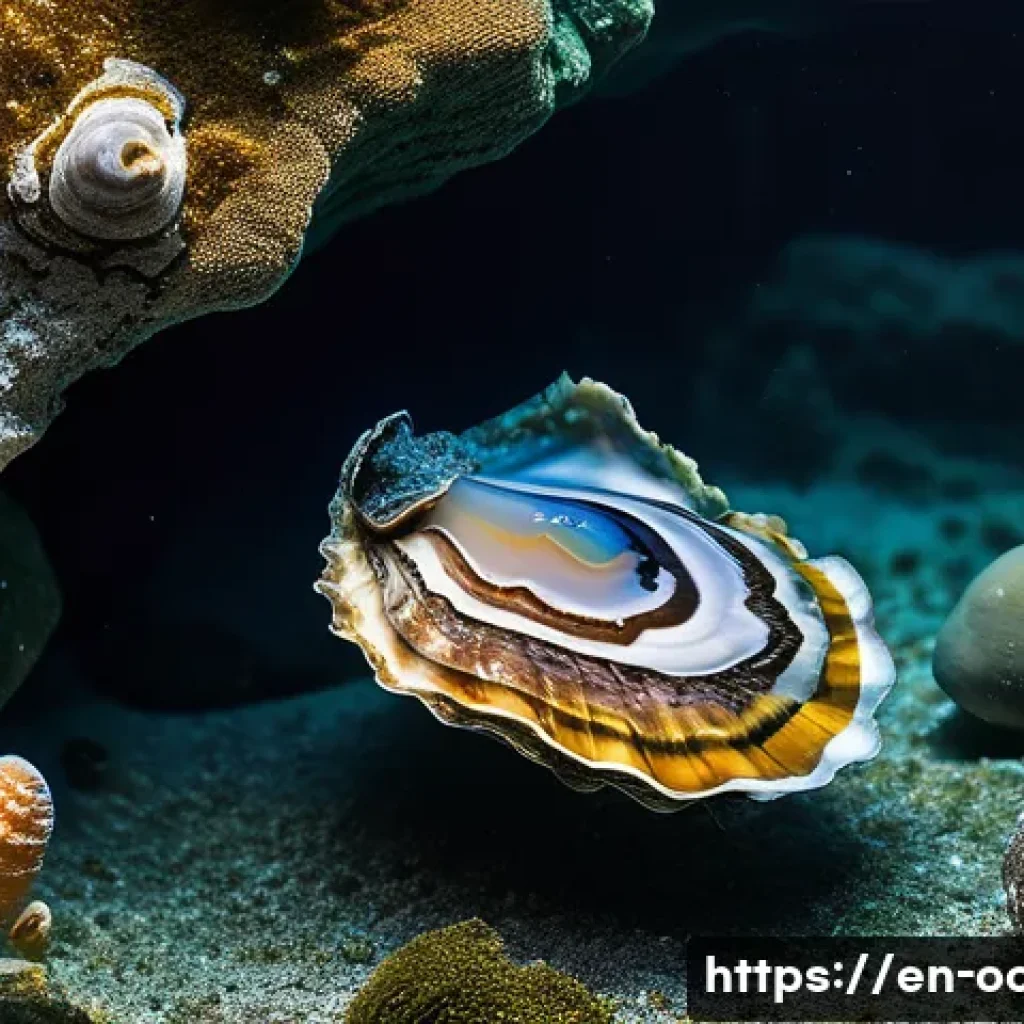
Their genomes reveal fascinating adaptations, such as genes linked to salinity tolerance and temperature resistance. For example, oysters possess gene clusters that help regulate osmotic stress, allowing them to withstand drastic changes in water salinity.
Squids, on the other hand, exhibit genetic traits that support rapid muscle contraction and complex nervous systems, enabling swift movement and camouflage.
These genetic nuances aren’t just biological trivia—they’re the very blueprints for how mollusks conquer their challenging environments. Understanding these adaptations at the DNA level can inform conservation strategies, especially as climate change threatens marine ecosystems.
Genetic Mechanisms Behind Shell Formation and Defense
One of the most striking features of mollusks is their ability to produce shells, a process controlled by a sophisticated network of genes. Recent genomic studies have identified key proteins responsible for shell biomineralization, including those that regulate calcium carbonate deposition.
This process not only provides protection from predators but also offers resilience against environmental stressors like ocean acidification. Interestingly, some mollusks have evolved genetic pathways that allow them to modify their shell composition in response to changing conditions.
This flexibility is a testament to their evolutionary ingenuity. By decoding these genetic factors, researchers can explore biomimicry applications, such as developing new materials inspired by mollusk shells.
The Role of Genomic Plasticity in Disease Resistance
Disease resistance in mollusks is another area where genomics shines a light on their survival strategies. Their genomes harbor diverse immune-related genes that help combat pathogens common in marine environments.
For instance, the Pacific oyster genome reveals an expanded repertoire of pattern recognition receptors, crucial for detecting microbial invaders. Moreover, some mollusks can alter gene expression dynamically in response to infections, showcasing remarkable genomic plasticity.
This ability not only ensures their survival but also holds promise for sustainable aquaculture, where disease outbreaks can be devastating. By leveraging this genetic knowledge, breeders can develop disease-resistant strains, reducing reliance on antibiotics and promoting healthier shellfish farming.
Insights into Mollusk Evolution Through Genomic Comparisons
Tracing Lineages and Evolutionary Milestones
Genomic data from various mollusk species have allowed scientists to reconstruct their evolutionary history with unprecedented detail. By comparing genomes, researchers can identify conserved genes that date back hundreds of millions of years, shedding light on the common ancestors of modern mollusks.
Additionally, genome-wide analyses reveal lineage-specific expansions or contractions of gene families, reflecting adaptations to unique ecological niches.
For example, cephalopods like squids and octopuses exhibit a remarkable expansion in genes related to neural complexity, explaining their advanced behaviors.
These evolutionary insights not only enrich our understanding of mollusk biodiversity but also illustrate broader patterns of animal evolution.
Genomic Innovations Driving Behavioral Complexity
Cephalopods stand out among mollusks for their sophisticated behaviors, including problem-solving and communication. Genomic studies have uncovered unique gene families associated with neural development and synaptic plasticity that underpin these abilities.
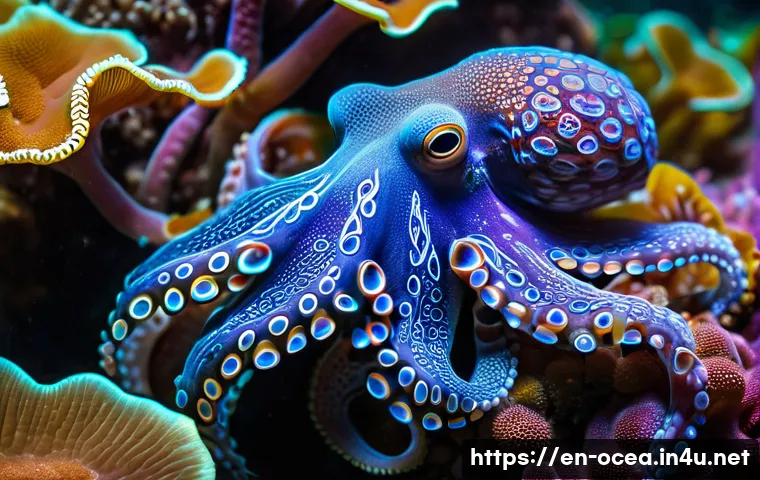
For instance, the octopus genome contains novel protocadherin genes that contribute to neural circuit formation, a feature rare in invertebrates. These genetic innovations enable rapid learning and environmental responsiveness, traits that have fascinated neuroscientists and evolutionary biologists alike.
Exploring these genomic features offers a rare glimpse into how complex behaviors can arise through molecular evolution.
Applications of Mollusk Genomics in Sustainable Aquaculture
Enhancing Breeding Programs with Genomic Tools
Incorporating genomic information into mollusk breeding has revolutionized aquaculture practices. Marker-assisted selection and genomic prediction allow breeders to identify individuals with desirable traits, such as fast growth, disease resistance, and environmental tolerance, early in development.
This precision accelerates breeding cycles and improves yield quality. For instance, genomic selection in Pacific oysters has led to strains that grow faster while resisting common pathogens.
From my personal experience working with aquaculture specialists, these genomic approaches not only boost productivity but also reduce environmental impacts by minimizing the need for chemical treatments.
Genomics Driving Innovations in Shellfish Health Management
Beyond breeding, genomics helps monitor and manage shellfish health more effectively. Environmental DNA (eDNA) techniques track pathogen presence in water, while transcriptomic analyses reveal stress responses in mollusks before visible symptoms appear.
These early warning systems enable proactive interventions, safeguarding stock health and farm economics. For farmers, this means fewer losses and more sustainable operations.
Genomics-based health management is becoming an indispensable tool in modern aquaculture, bridging science and practical farming challenges.
Biotechnological Potential of Mollusk Genetic Resources
Discovering Novel Biomolecules for Industry and Medicine
Mollusk genomes harbor a treasure trove of unique biomolecules with promising applications. For example, conotoxins from cone snails are potent neuroactive peptides studied for pain management therapies.
Similarly, adhesive proteins from mussels inspire the development of bioadhesives usable in wet environments, including surgical glues. Genomic mining accelerates the discovery and characterization of these molecules, opening avenues for biopharmaceuticals and biomaterials.
Based on my review of recent biotech developments, this is a rapidly growing field with real-world impacts waiting to unfold.
Environmental Biosensors Inspired by Mollusk Genetics
Mollusks also serve as biological sentinels, with genetic markers that reflect environmental conditions. Researchers are developing biosensors based on gene expression changes in response to pollutants or temperature fluctuations.
These tools provide cost-effective, real-time monitoring of aquatic ecosystems. By harnessing mollusk genomics, environmental agencies can better detect and respond to ecological threats.

The integration of genomics with environmental monitoring exemplifies how fundamental biology translates into practical solutions.
Challenges and Future Directions in Mollusk Genomics Research
Overcoming Complex Genome Structures
Mollusk genomes often present challenges due to their large sizes, high repeat content, and polyploidy in some species. These complexities complicate sequencing and assembly, demanding advanced computational methods and longer sequencing reads.
Despite these hurdles, progress has been remarkable, with several high-quality mollusk genomes now available. Continuous improvements in sequencing technology and bioinformatics will further unravel these genetic puzzles, enabling more comprehensive studies.
Integrating Multi-Omics for Holistic Understanding
To truly grasp mollusk biology, integrating genomics with transcriptomics, proteomics, and metabolomics is crucial. This multi-omics approach provides a dynamic view of how genes are expressed, how proteins function, and how metabolic pathways operate under different conditions.
Such holistic insights are vital for applications ranging from aquaculture to environmental conservation. Researchers are increasingly adopting these integrative strategies, signaling a new era in mollusk science.
| Mollusk Species | Genome Size (Gb) | Unique Genetic Features | Applications |
|---|---|---|---|
| Pacific Oyster (Crassostrea gigas) | 0.55 | Expanded immune gene families, salinity tolerance genes | Disease-resistant aquaculture strains |
| Common Octopus (Octopus vulgaris) | 2.7 | Novel neural development genes, protocadherins | Neuroscience research, behavioral studies |
| California Mussel (Mytilus californianus) | 1.6 | Adhesive protein genes, shell biomineralization pathways | Bioadhesive development, material science |
| Cone Snail (Conus spp.) | 0.9 | Neurotoxin gene clusters | Pharmaceuticals, pain management |
The Role of Epigenetics in Mollusk Environmental Response
Epigenetic Modifications as Adaptive Tools
Beyond their static DNA sequences, mollusks employ epigenetic mechanisms like DNA methylation and histone modification to respond to environmental challenges.
These changes can regulate gene expression without altering the underlying genetic code, allowing rapid adaptation to stressors such as temperature shifts or pollution.
For example, studies have shown that oysters exposed to fluctuating salinity exhibit distinct methylation patterns linked to stress resilience. This epigenetic flexibility may explain how mollusk populations adjust to changing habitats over short timeframes, providing a layer of adaptation beyond genetic mutations.
Implications for Aquaculture and Conservation
Understanding epigenetic regulation opens new avenues for improving mollusk farming and preserving wild populations. By manipulating environmental conditions during early development, farmers might induce beneficial epigenetic marks that enhance growth or disease resistance.
Conservationists can also monitor epigenetic markers to assess population health and environmental impacts. While this field is still emerging, the potential for epigenetics to complement traditional genetics is enormous, promising more nuanced management strategies in the future.
Harnessing Citizen Science and Technology in Mollusk Genomics
Engaging the Public in Genome Data Collection
Advances in portable sequencing devices and user-friendly data platforms have empowered citizen scientists to participate in mollusk genomics research.
Coastal communities and hobbyists can collect samples and contribute to genetic databases, expanding the scale and diversity of data. This democratization of science accelerates discovery and fosters public interest in marine biology.
From discussions with researchers leading citizen science projects, it’s clear that community involvement enriches both data quality and outreach efforts.
Future Prospects of AI in Analyzing Mollusk Genomes
Artificial intelligence is revolutionizing how we analyze complex genomic data. Machine learning algorithms can identify patterns in mollusk genomes that might escape traditional analysis, such as subtle gene interactions or evolutionary signals.
AI-driven predictions also streamline breeding and disease management decisions in aquaculture. While AI is a tool rather than a replacement for human insight, its integration into genomics research promises faster, more accurate outcomes that could transform mollusk biology and industry alike.
In Conclusion
Exploring the genetic makeup of mollusks unveils the remarkable ways these creatures adapt, survive, and thrive in diverse marine environments. Their unique genomic features not only deepen our understanding of evolution but also provide practical tools for sustainable aquaculture and biotechnology. As research advances, mollusk genomics promises to unlock even more secrets that benefit science and society alike.
Useful Information to Keep in Mind
1. Mollusks possess specialized genes that enable them to survive extreme environmental changes, such as shifts in salinity and temperature.
2. The genetic basis of shell formation offers insights into developing new materials inspired by nature’s engineering.
3. Disease resistance in mollusks is enhanced by diverse immune genes, which can be harnessed to improve aquaculture practices.
4. Cephalopods demonstrate advanced neural gene expansions, explaining their complex behaviors and rapid learning abilities.
5. Integrating genomics with technologies like AI and citizen science accelerates research and practical applications in marine biology.
Key Takeaways
Understanding mollusk genetics reveals their extraordinary adaptability and evolutionary history, which has direct implications for conservation and aquaculture. Advances in genomic tools enable targeted breeding and health management, improving sustainability in shellfish farming. Additionally, the biotechnological potential of mollusk-derived molecules highlights new frontiers in medicine and materials science. Ongoing challenges in genome analysis are being met with innovative approaches, ensuring that mollusk genomics will continue to grow as a vital field of study.
Frequently Asked Questions (FAQ) 📖
Q: Why is studying mollusk genomes important for understanding marine biodiversity?
A: Studying mollusk genomes gives us a detailed glimpse into the genetic blueprint that drives their remarkable adaptability and diversity. Mollusks inhabit a wide range of environments—from deep oceans to freshwater and even terrestrial habitats.
By decoding their genomes, scientists can identify the genes responsible for traits like shell formation, toxin production, and environmental tolerance.
This not only helps us appreciate how diverse marine life evolves but also guides conservation efforts by revealing how mollusks respond to changing ocean conditions.
Q: How have recent advancements in genome sequencing impacted mollusk research?
A: The leaps in genome sequencing technology have been a game-changer. What used to take years and vast resources can now be done much faster and more accurately.
This means researchers can study multiple mollusk species simultaneously, uncovering new genetic information about their immune systems, growth rates, and disease resistance.
From my own experience following the field, this rapid progress is enabling breakthroughs in sustainable aquaculture—helping farmers breed healthier, faster-growing shellfish with less environmental impact.
Q: What potential applications do mollusk genome studies have in biotechnology and industry?
A: The insights from mollusk genomes are opening up exciting possibilities beyond basic science. For example, understanding the genes behind shell strength and repair could inspire new biomaterials for construction or medical implants.
Additionally, some mollusks produce unique proteins and bioactive compounds that could lead to novel pharmaceuticals or environmentally friendly adhesives.
In aquaculture, genetic knowledge allows for selective breeding programs that enhance yield and disease resistance, making seafood production more sustainable and profitable.
From what I’ve seen, these applications could revolutionize multiple industries in the near future.