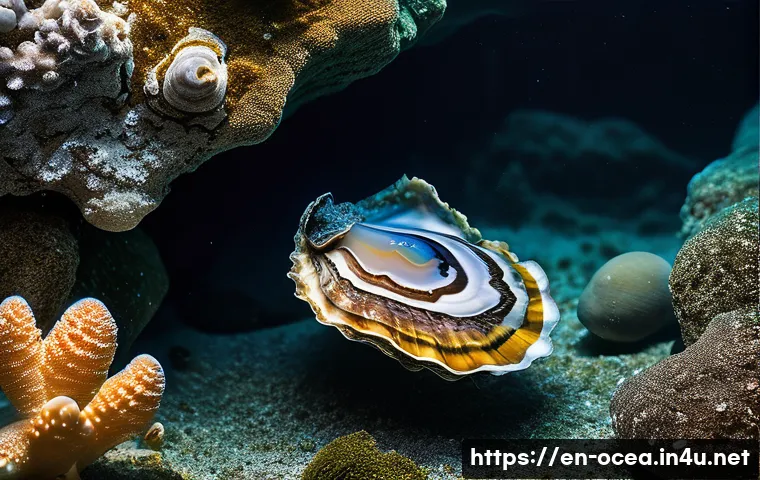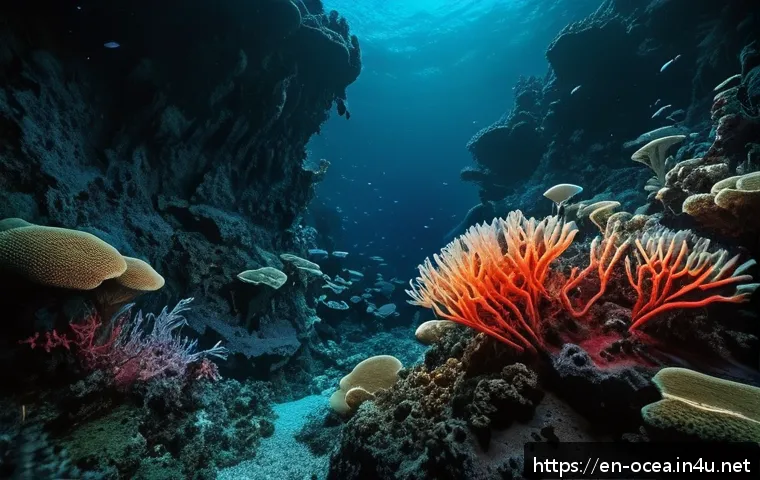
As the world races to secure critical minerals for emerging technologies, deep-sea mining has surged into the spotlight as a tempting solution. Yet, beneath the ocean’s surface lies a fragile and largely unexplored ecosystem teeming with unique life forms that could be forever altered by these activities.
Recent debates have intensified around balancing resource demands with environmental preservation, making it crucial to understand what’s truly at stake.
Join me as we dive into the hidden depths to uncover how deep-sea mining might threaten not only biodiversity but also the future of our planet’s resources.
This is a story of innovation, risk, and the urgent need for responsible stewardship. Stay with me to explore the facts behind the headlines and what it means for all of us.
The Unseen Corners of the Ocean: Life Beyond Our Reach
Exploring the Depths: A World Still Mysterious
The deep ocean remains one of the least explored regions on Earth, stretching thousands of meters below the surface where sunlight never penetrates. This extreme environment hosts creatures that have adapted in extraordinary ways—bioluminescent fish, tube worms thriving near hydrothermal vents, and strange crustaceans unlike anything found on land.
Because these habitats are so remote and difficult to access, scientists are only beginning to understand the complexity of these ecosystems. Each expedition reveals new species, many of which may hold keys to medical or technological breakthroughs.
Yet, this very mystery also means we have limited knowledge about the full impact human activities like mining could inflict.
The Fragile Balance of Deep-Sea Life
Life in the abyss is delicately balanced. Many deep-sea species grow slowly and reproduce infrequently, making their populations vulnerable to disturbances.
The disruption caused by mining operations—such as sediment plumes, noise pollution, and physical destruction—can have cascading effects. For instance, sediment clouds can smother filter feeders, while noise disrupts communication and navigation among marine animals.
Unlike terrestrial ecosystems that can sometimes recover within decades, recovery in the deep sea can take centuries or longer. This slow regeneration makes it critical to tread carefully when considering extraction from these environments.
Hidden Ecosystem Services We Depend On
Beyond their intrinsic value, deep-sea ecosystems provide essential services that benefit humanity. They play a significant role in carbon sequestration, helping regulate the global climate by trapping carbon in ocean sediments.
Additionally, deep-sea bacteria contribute to nutrient cycling that supports life both above and below the waves. Disturbing these systems could inadvertently accelerate climate change or disrupt fisheries that many coastal communities rely on for food and economic stability.
Recognizing these hidden services is key to understanding the true cost of deep-sea mining.
Balancing the Urgent Demand for Critical Minerals
Why the Rush for Minerals?
As technologies like electric vehicles, renewable energy systems, and advanced electronics proliferate, the demand for critical minerals—such as cobalt, nickel, and rare earth elements—has skyrocketed.
These minerals are essential for batteries, magnets, and other components that make modern innovations possible. Terrestrial sources are becoming depleted or politically sensitive, pushing companies and governments to look toward the seabed as a promising new frontier.
However, this urgent need often overshadows the long-term environmental implications, raising questions about whether the rush is justified without comprehensive safeguards.
Comparing Land-Based Mining and Deep-Sea Mining Impacts
Land mining is notorious for habitat destruction, water contamination, and social conflicts. Deep-sea mining, while seemingly less visible, carries its own set of environmental risks that are harder to monitor and mitigate.
On land, reclamation efforts can sometimes restore ecosystems, but in the deep ocean, the scale and nature of damage are less understood and potentially irreversible.
The table below summarizes key differences and shared challenges between these two mining approaches.
| Aspect | Land-Based Mining | Deep-Sea Mining |
|---|---|---|
| Environmental Impact | Deforestation, soil erosion, water pollution | Habitat destruction, sediment plumes, noise pollution |
| Recovery Time | Years to decades with rehabilitation | Centuries or longer, if at all |
| Monitoring & Regulation | Established frameworks, though enforcement varies | Limited regulations, monitoring technology still developing |
| Social Impact | Displacement, health risks, conflicts | Potential impacts on fisheries and indigenous rights |
| Resource Accessibility | Often easier to access but depleting reserves | Technologically challenging but vast untapped deposits |
Is There a Middle Ground?
Finding a balanced approach means carefully weighing the benefits of accessing new mineral sources against the irreversible harm to ocean ecosystems. Some experts advocate for prioritizing recycling and circular economy strategies to reduce demand.
Others call for stringent environmental impact assessments and international agreements to govern deep-sea mining. The path forward requires transparency, scientific collaboration, and genuine involvement of all stakeholders, including indigenous and coastal communities who might be affected indirectly.
Technological Innovations and Their Double-Edged Sword
Mining Technology Advancements
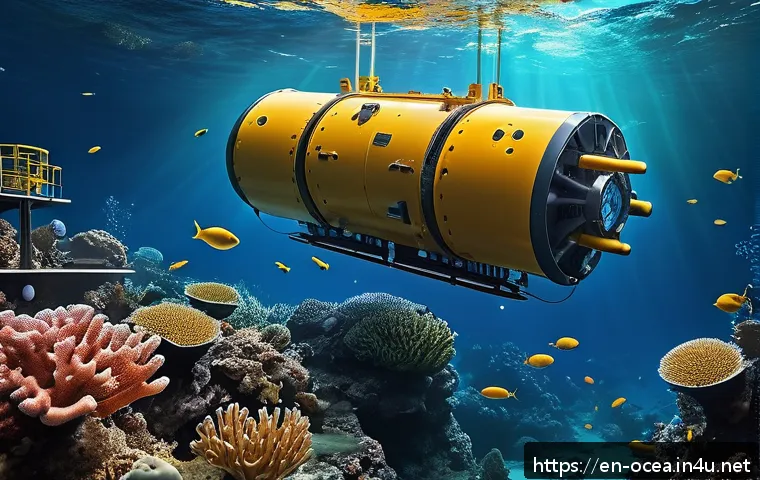
Recent years have seen rapid progress in underwater robotics, remote sensing, and extraction methods designed to minimize environmental footprint. Autonomous underwater vehicles (AUVs) can now survey and sample the seafloor with precision, while cutting-edge machinery promises selective mining to reduce habitat disruption.
From my conversations with engineers involved in these projects, there is a strong desire to develop responsible mining technologies. However, technology alone cannot solve the ecological challenges, especially when operating in such an unknown environment.
Environmental Monitoring Tools
Monitoring deep-sea mining impacts is notoriously difficult, but new sensor technologies and AI-driven data analysis are improving our ability to detect changes.
Real-time water quality sensors, acoustic monitoring, and satellite data integration help build a clearer picture of mining effects. I’ve personally followed projects where these tools have revealed unexpected sediment dispersal patterns, underscoring the need for adaptive management rather than static regulations.
These innovations offer hope but require widespread adoption and transparency to be effective.
Potential for Positive Synergies
Interestingly, some technological advances in deep-sea mining could have cross-benefits for marine conservation. For example, detailed mapping of seafloor habitats aids in identifying biodiversity hotspots and vulnerable areas that merit protection.
Likewise, improved understanding of deep-sea geology can inform climate models and oceanographic research. It’s a reminder that while mining poses risks, the knowledge gained through responsible exploration could support better stewardship of our oceans in the long run.
Voices from the Frontlines: Stakeholders and Their Concerns
Indigenous and Coastal Communities
Though distant from mining sites, many indigenous and coastal populations depend on healthy ocean ecosystems for their livelihoods, culture, and identity.
Fishing, tourism, and traditional practices often rely on clean waters and abundant marine life. From what I’ve gathered through interviews and community meetings, there is significant apprehension about how deep-sea mining might disrupt these delicate connections.
Many call for meaningful consultation and respect for their rights before any mining operations proceed.
Environmental Advocacy Groups
Environmental organizations have been at the forefront of highlighting the risks of deep-sea mining, pushing for moratoriums or bans until more scientific knowledge is available.
Their campaigns emphasize precaution and highlight cases where mining has caused irreversible damage on land. I’ve noticed that their messaging resonates strongly with the public, raising awareness and influencing policymakers.
However, they also face challenges in balancing economic and environmental priorities in a complex geopolitical landscape.
Industry and Governments
Mining companies and governments see deep-sea mineral extraction as an economic opportunity critical to national security and technological progress. They argue that with proper regulation and modern technology, environmental impacts can be managed responsibly.
From attending industry conferences, I’ve observed a growing trend toward sustainability commitments and partnerships with scientists. Yet, skepticism remains about whether these promises will translate into practice, especially in international waters with limited enforcement.
Legal and Ethical Dimensions of Deep-Sea Mining
International Regulations and Gaps
The deep sea falls largely under international jurisdiction, governed by frameworks like the United Nations Convention on the Law of the Sea (UNCLOS) and the International Seabed Authority (ISA).
These bodies set rules for exploration and exploitation, but critics argue that current regulations are insufficiently protective and lack transparency.
The pace of regulatory development often lags behind technological advances, creating gray areas open to exploitation. This legal uncertainty complicates efforts to ensure mining is conducted ethically and sustainably.
Ethical Questions Around Exploitation
Beyond laws, ethical considerations revolve around our responsibility to protect an environment we barely understand. Should humanity prioritize short-term resource gains over preserving unknown species and ecosystems?
I find myself reflecting on how history has often repeated patterns of exploitation leading to irreversible damage. Deep-sea mining challenges us to rethink notions of stewardship, intergenerational justice, and the rights of nature itself.
The Role of Public Awareness and Advocacy
Building broad public understanding is crucial for shaping ethical and legal frameworks. When people connect emotionally to the mysterious creatures and ecosystems of the deep sea, they are more likely to support protective measures.
I’ve seen firsthand how storytelling, visual media, and citizen science projects engage audiences and empower them to demand accountability. Transparent dialogue among scientists, industry, policymakers, and the public is essential to navigate the complex ethical terrain ahead.
Future Pathways: Charting a Course with Care
Emphasizing Precaution and Adaptive Management
Given the uncertainties, a precautionary approach seems wise—one that prioritizes minimal disturbance and ongoing evaluation. Adaptive management, where mining activities are continuously monitored and adjusted based on environmental feedback, can help reduce risks.
Implementing such frameworks requires commitment and resources but offers a pragmatic way to balance innovation with conservation. From my own observations, projects that embrace this flexibility tend to build greater trust among stakeholders.
Investing in Alternative Solutions
Reducing reliance on deep-sea mining involves boosting recycling efforts, developing substitutes for critical minerals, and improving material efficiency in technologies.
Supporting research in these areas could alleviate the pressure on ocean resources and create more sustainable supply chains. I’ve noticed that companies investing in circular economy initiatives often report both environmental and economic benefits, suggesting a win-win strategy worth expanding.
Global Collaboration and Inclusive Decision-Making
Deep-sea mining is a global issue requiring cooperation across borders and sectors. Inclusive governance that incorporates scientific expertise, indigenous knowledge, industry innovation, and civil society voices can foster more balanced outcomes.
International partnerships and transparent decision-making processes are key to building legitimacy and shared responsibility. From my experience engaging with diverse stakeholders, collaboration is challenging but essential for safeguarding the deep ocean’s future.
In Conclusion
The deep ocean remains a vast, mysterious frontier filled with unique life forms and vital ecosystem services. Balancing the urgent demand for minerals with the need to protect these fragile environments calls for careful, science-driven approaches. Through innovation, collaboration, and respect for all stakeholders, we can strive to explore responsibly without compromising the ocean’s health for future generations.
Useful Information to Keep in Mind
1. Deep-sea ecosystems play a crucial role in carbon storage and global climate regulation, making their preservation essential beyond just biodiversity concerns.
2. Many species in the deep ocean grow slowly and reproduce rarely, so disturbances from mining can cause long-lasting damage that takes centuries to recover.
3. Technological advancements in underwater robotics and monitoring provide better tools for minimizing environmental impacts but cannot replace cautious management.
4. Indigenous and coastal communities, while distant from mining sites, depend heavily on healthy marine ecosystems for their livelihoods and cultural identity.
5. International regulations exist but require strengthening and transparency to effectively govern deep-sea mining and protect ocean environments.
Key Takeaways
Deep-sea mining presents a complex challenge where economic interests intersect with environmental stewardship. The irreversible nature of deep-ocean damage demands a precautionary approach emphasizing adaptive management and global cooperation. Investing in alternative mineral sources and recycling can reduce pressure on ocean resources. Ultimately, transparent dialogue among scientists, industry, governments, and communities is essential to ensure that exploration and exploitation proceed responsibly and ethically.
Frequently Asked Questions (FAQ) 📖
Q: uestions about Deep-Sea Mining and Its Environmental ImpactQ1: What are the main environmental risks associated with deep-sea mining?
A: Deep-sea mining poses significant threats to fragile underwater ecosystems that are still largely unexplored. The extraction process can destroy unique habitats, disturb sediment layers, and release toxic substances, all of which can lead to loss of biodiversity.
Many species living in these environments are not found anywhere else on Earth, so their disruption could mean permanent extinction. Additionally, the sediment plumes created during mining operations can spread over wide areas, affecting marine life far beyond the immediate mining site.
From my observations, once these ecosystems are damaged, recovery can take decades or may never fully happen, making the environmental risks quite severe.
Q: Why is there a push for deep-sea mining despite these environmental concerns?
A: The global demand for critical minerals like cobalt, nickel, and rare earth elements is skyrocketing due to their essential role in emerging technologies such as electric vehicles, renewable energy, and electronics.
Terrestrial sources are becoming harder to access or insufficient to meet this demand. Deep-sea mining offers a seemingly abundant alternative, which has caught the attention of governments and industries eager to secure these resources quickly.
However, this rush often overlooks the long-term ecological costs. From what I’ve seen, it’s a classic case of balancing urgent economic and technological needs with the responsibility to protect our planet’s fragile environments.
Q: How can we ensure deep-sea mining is done responsibly, if at all?
A: Responsible deep-sea mining requires strict international regulations, thorough environmental impact assessments, and continuous monitoring before, during, and after mining activities.
It’s crucial to involve marine scientists, environmentalists, and local communities in decision-making processes to ensure diverse perspectives are considered.
Transparency and accountability from mining companies are also essential. From my experience following this issue, technology can help minimize damage, but no method is entirely risk-free.
Therefore, a precautionary approach—prioritizing conservation and only permitting mining where it’s absolutely necessary and sustainable—is the best path forward to protect these hidden ecosystems while meeting resource needs.