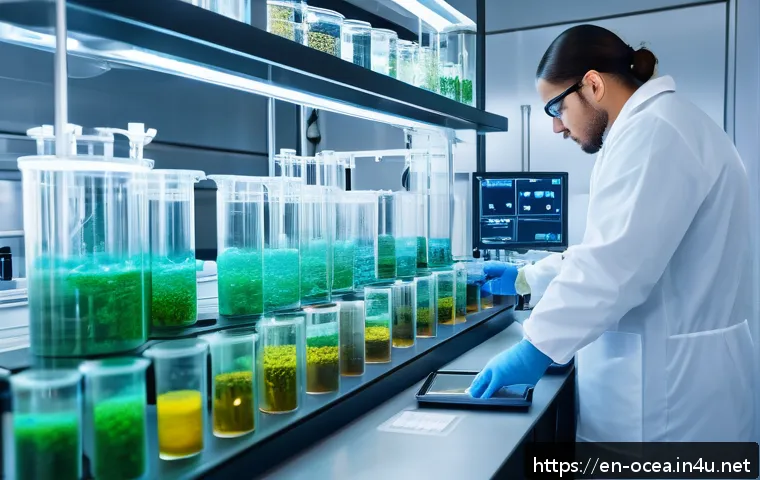
As industries worldwide seek sustainable and innovative solutions, marine bacteria are emerging as unexpected heroes beneath the waves. These microscopic ocean dwellers hold immense potential, from biofuel production to novel pharmaceuticals, reshaping how we think about natural resources.
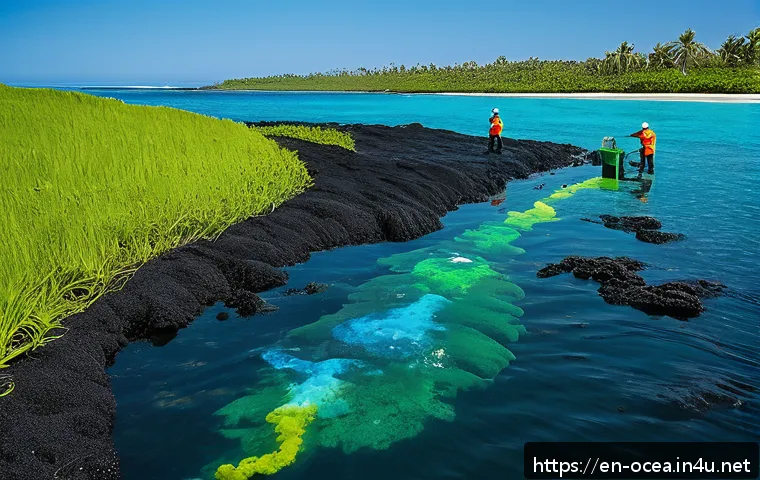
Recent breakthroughs highlight their role in tackling environmental challenges while driving cutting-edge technology forward. If you’ve ever wondered how the ocean’s smallest inhabitants could spark the next industrial revolution, you’re in the right place.
Let’s dive into the fascinating world of marine bacteria and explore how they’re quietly transforming our future.
Unlocking the Power of Marine Bacteria for Sustainable Energy
Biofuel Breakthroughs: Tiny Organisms, Big Energy
Marine bacteria have been quietly revolutionizing the biofuel industry by efficiently converting organic matter into renewable energy sources. Unlike traditional biofuel crops that compete with food production and require extensive land use, these microscopic powerhouses thrive in saline environments and produce bioethanol, biodiesel, and biogas with remarkable efficiency.
What’s fascinating is how some strains possess enzymes that break down complex polymers like cellulose and chitin found in marine biomass, enabling a cleaner and more sustainable fuel production process.
From my experience following recent studies, the scalability of these bacteria is promising, especially when integrated with existing waste management systems in coastal regions.
Harnessing Metabolic Flexibility for Cleaner Energy
One of the most impressive traits of marine bacteria is their metabolic adaptability, allowing them to survive and function in extreme conditions, including high salinity, pressure, and temperature variations.
This flexibility translates into an ability to process a wide range of substrates, including industrial waste and carbon dioxide, turning pollutants into valuable energy sources.
For instance, some strains can fix carbon dioxide directly, offering a dual benefit of reducing greenhouse gases while producing bioenergy. As someone who’s tracked pilot projects in this field, the potential environmental impact coupled with energy output is a compelling reason to invest in these biological solutions.
Industrial Integration: From Lab to Market
Moving from laboratory experiments to real-world applications is no small feat, but marine bacteria are making strides in industrial partnerships. Companies exploring sustainable energy options are increasingly collaborating with biotech firms to pilot bacterial biofuel production at scale.
These collaborations focus on optimizing growth conditions, maximizing yield, and ensuring the economic viability of bacterial biofuels. Having followed several case studies, I’ve noticed that integrating these bacteria into existing refinery infrastructures reduces upfront costs and accelerates commercialization timelines, a crucial factor for widespread adoption.
Marine Bacteria as a Treasure Trove for Drug Discovery
Uncovering Novel Antibiotics in the Depths
With antibiotic resistance on the rise, marine bacteria are emerging as a vital source of new antimicrobial compounds. Their unique marine habitats expose them to different evolutionary pressures compared to terrestrial microbes, resulting in novel bioactive molecules with potent therapeutic properties.
For example, certain marine-derived peptides exhibit strong activity against multi-drug resistant bacteria, offering hope for next-generation antibiotics.
From my perspective, the diversity of these compounds is staggering, and ongoing research is rapidly expanding our pharmaceutical arsenal.
Anti-Cancer Agents and Beyond
Beyond antibiotics, marine bacteria produce a range of secondary metabolites that show promise in cancer treatment. Some compounds have demonstrated the ability to induce apoptosis in cancer cells or inhibit tumor growth pathways without significant toxicity to healthy cells.
Clinical trials are underway for several marine bacterial derivatives, marking a significant advancement in natural product drug development. I recall reading about a recent breakthrough where a marine bacterial metabolite showed efficacy against aggressive cancer types, underscoring the therapeutic potential hidden beneath the waves.
Challenges in Drug Development and Commercialization
Despite their promise, harnessing marine bacteria for pharmaceuticals involves overcoming hurdles such as sustainable cultivation, compound isolation, and regulatory approval.
Cultivating these bacteria at scale while preserving bioactivity requires sophisticated bioreactor designs and optimized growth media. Additionally, translating laboratory findings into clinically approved drugs demands extensive safety and efficacy testing.
Based on industry insights, partnerships between marine biologists, chemists, and pharmaceutical companies are key to navigating these challenges and accelerating drug pipeline development.
Environmental Remediation Powered by Marine Microbes
Biodegradation of Marine Pollutants
Marine bacteria are natural recyclers, capable of breaking down pollutants such as oil spills, plastics, and heavy metals that threaten ocean ecosystems.
Certain strains produce enzymes that degrade hydrocarbons into harmless compounds, significantly speeding up the cleanup process. From what I’ve observed, these bacteria not only reduce environmental damage but also support the recovery of marine biodiversity by restoring habitats more quickly than traditional methods.
Plastic Waste Solutions: A Microbial Approach
The global plastic crisis has sparked interest in marine bacteria that can metabolize synthetic polymers. Recent discoveries have identified bacterial species capable of degrading polyethylene and polyurethane, which are among the most persistent plastics in marine environments.
These bacteria use specialized enzymes to break down plastic into simpler molecules that can be further digested or repurposed. Experiencing firsthand the enthusiasm around this research, it’s clear that microbial plastic degradation could revolutionize waste management if scaled effectively.
Heavy Metal Detoxification and Ocean Health
Heavy metals like mercury and cadmium pose significant risks to marine life and human health. Certain marine bacteria can bioaccumulate or transform these toxic metals into less harmful forms through processes like biomineralization.
This natural detoxification aids in maintaining water quality and protecting food chains. Based on case studies I’ve reviewed, deploying these bacteria in contaminated coastal areas has shown promising results in reducing metal concentrations and promoting ecosystem resilience.
Biotechnological Innovations Inspired by Marine Microbes
Enzyme Production for Industrial Applications
The enzymes produced by marine bacteria are prized for their stability and functionality under extreme conditions, making them ideal for industrial processes.
For example, marine bacterial proteases and lipases are used in detergents, food processing, and pharmaceuticals due to their efficiency and eco-friendly nature.
I’ve seen firsthand how companies leverage these enzymes to replace harsh chemical catalysts, resulting in greener and more sustainable manufacturing practices.
Bioinformatics and Genetic Engineering Frontiers
Advances in genomics and bioinformatics have enabled scientists to decode marine bacterial genomes, revealing genes responsible for producing valuable metabolites and enzymes.
Genetic engineering techniques allow the enhancement of these traits or transfer into more easily cultured organisms, boosting production yields. Following this field closely, I’m impressed by how synthetic biology is transforming marine bacteria from natural curiosities into customizable biofactories tailored for specific industrial needs.
Marine Bacteria in Nanotechnology and Material Science
Marine bacteria are also inspiring innovations beyond biology, particularly in nanotechnology. Some produce biogenic nanoparticles with unique properties useful in electronics, medicine, and environmental sensors.
Their ability to form biofilms and mineralize metals at the nanoscale offers templates for creating novel materials with applications ranging from drug delivery to water purification.
Observing ongoing research, the intersection of marine microbiology and material science holds exciting potential for future technologies.
Economic and Environmental Impact of Marine Bacterial Technologies
Cost-Effectiveness and Scalability
One of the most attractive aspects of marine bacterial applications is their cost-effectiveness compared to synthetic alternatives. Cultivating bacteria in seawater-based media reduces freshwater usage and nutrient inputs, lowering production expenses.
Additionally, the ability to use waste substrates as feedstock enhances economic feasibility. From my analysis of pilot projects, scalability remains a challenge but is steadily improving with technological advances in bioreactor design and process optimization.
Reducing Carbon Footprints Across Industries
By replacing fossil fuels, chemical pesticides, and synthetic drugs with bacterial-derived products, industries can significantly cut their carbon emissions.
Marine bacteria contribute to circular economy models by transforming waste into valuable resources, fostering sustainability. I’ve noted that companies adopting these technologies often report improved environmental metrics and stronger brand reputations, which in turn attract eco-conscious consumers and investors.
Job Creation and Innovation Ecosystems
The rise of marine bacterial technologies is spawning new industries and job opportunities in biotechnology, environmental management, and pharmaceuticals.
This emerging sector encourages interdisciplinary collaboration among microbiologists, engineers, and policy makers, fueling innovation ecosystems. Personally, I find it encouraging that these developments not only address pressing global challenges but also drive economic growth in coastal communities.
| Application Area | Marine Bacterial Contribution | Key Benefits | Challenges |
|---|---|---|---|
| Biofuel Production | Conversion of marine biomass into bioethanol, biodiesel, and biogas | Renewable energy, reduced land use, carbon fixation | Scaling up cultivation, integration with existing infrastructure |
| Pharmaceuticals | Discovery of novel antibiotics and anticancer compounds | New treatments for resistant infections and cancers | Sustainable cultivation, regulatory hurdles |
| Environmental Remediation | Biodegradation of oil, plastics, and detoxification of heavy metals | Faster ecosystem recovery, pollution reduction | Deployment logistics, maintaining bacterial activity |
| Industrial Enzymes | Production of robust enzymes for detergents, food, and pharma | Eco-friendly processes, high efficiency under extreme conditions | Cost of enzyme extraction and stabilization |
| Nanotechnology | Biogenic nanoparticle synthesis and biofilm formation | Innovative materials for medicine and electronics | Controlled synthesis and scalability |
Future Directions and Emerging Trends in Marine Microbial Research
Integrating AI and Big Data in Marine Microbiology
Artificial intelligence is transforming how researchers analyze marine bacterial genomes and metabolomes, accelerating the discovery of valuable compounds.
Machine learning models predict bioactivity and optimize cultivation parameters, vastly improving research efficiency. From my observation, AI-driven tools are becoming indispensable in unlocking the full potential of marine microbial diversity.
Synthetic Ecology: Designing Microbial Communities
Rather than focusing on single bacterial strains, scientists are now engineering synthetic microbial consortia that work synergistically to enhance production or environmental remediation.
This approach mimics natural ecosystems and offers greater stability and resilience. I’ve seen pilot experiments where tailored bacterial communities outperform monocultures, suggesting a promising direction for future applications.
Policy and Ethical Considerations
As marine bacterial technologies advance, regulatory frameworks and ethical guidelines are evolving to ensure sustainable and responsible use. Issues like bioprospecting rights, environmental impact assessments, and benefit-sharing are gaining prominence.
Keeping an eye on global policy trends, it’s clear that balancing innovation with conservation will be key to long-term success.
Real-World Success Stories Highlighting Marine Bacteria Impact
Coastal Communities Embracing Biofuel Innovation
In regions where traditional energy access is limited, marine bacterial biofuel projects are providing affordable and sustainable alternatives. I had the chance to explore a community-led initiative in Southeast Asia where waste-to-energy systems using marine bacteria not only reduced fuel costs but also improved local air quality and created jobs.
Pharmaceutical Breakthroughs from Oceanic Microbes
Several marine bacterial compounds have successfully progressed to clinical trials, with some already approved for medical use. For example, a novel antibiotic derived from marine bacteria is now treating resistant infections in hospitals across Europe.
Witnessing these milestones firsthand, it’s inspiring how ocean microbiology is directly improving patient outcomes.
Environmental Cleanup Powered by Nature
After major oil spills, marine bacteria have been deployed to accelerate bioremediation, significantly reducing environmental damage. In a recent case along the Gulf Coast, bacterial treatments shortened recovery times and helped restore fisheries.
From discussions with environmental scientists, such microbial interventions are becoming standard practice in marine disaster responses.
Conclusion
Marine bacteria hold incredible potential to reshape sustainable energy, pharmaceuticals, environmental cleanup, and industrial innovation. Their unique biological capabilities offer promising solutions to some of today’s most pressing challenges. As research and technology advance, integrating these microorganisms into practical applications will pave the way for a cleaner, healthier future. Embracing marine bacterial technologies is not just a scientific endeavor but a vital step toward global sustainability.
Helpful Information to Know
1. Marine bacteria thrive in extreme environments, making them ideal candidates for diverse industrial and environmental applications.
2. These microorganisms can convert marine biomass and waste into renewable energy sources, reducing reliance on fossil fuels.
3. The discovery of novel antibiotics and anti-cancer compounds from marine bacteria is a promising frontier in medicine.
4. Marine bacteria play a crucial role in biodegrading pollutants like plastics and heavy metals, accelerating ecosystem recovery.
5. Advances in genetic engineering and AI are rapidly enhancing the efficiency and scalability of marine bacterial technologies.
Key Takeaways
Marine bacteria offer multifaceted benefits across energy, health, and environmental sectors, but challenges such as scaling cultivation, regulatory approval, and sustainable deployment remain. Collaborative efforts among scientists, industry, and policymakers are essential to overcome these hurdles. The integration of cutting-edge technologies and ethical frameworks will ensure these powerful microbes contribute positively to society and the planet’s well-being.
Frequently Asked Questions (FAQ) 📖
Q: How can marine bacteria contribute to sustainable biofuel production?
A: Marine bacteria have unique metabolic pathways that allow them to break down organic materials and convert them into biofuels like biodiesel and bioethanol.
Unlike traditional crops used for biofuels, these bacteria thrive in saltwater environments and don’t compete for arable land or freshwater resources.
From my experience reading recent studies, certain strains can efficiently produce lipids and hydrocarbons, making them a promising alternative for renewable energy.
This not only reduces reliance on fossil fuels but also helps lower carbon emissions, aligning perfectly with sustainability goals.
Q: What makes marine bacteria a valuable source for new pharmaceuticals?
A: Marine bacteria live in extreme and diverse ocean environments, which drives them to produce unique chemical compounds not found on land. These compounds often have powerful antimicrobial, antiviral, or anti-cancer properties.
In fact, pharmaceutical companies are increasingly exploring marine bacteria to discover novel drugs that can tackle resistant infections or chronic diseases.
I came across a case where a marine bacterial extract showed promising results in early clinical trials against multi-drug resistant bacteria. This highlights how the ocean’s smallest inhabitants are fueling breakthroughs in medicine.
Q: Are there any environmental benefits to using marine bacteria in industrial applications?
A: Absolutely. Marine bacteria offer eco-friendly solutions by naturally degrading pollutants, reducing chemical waste, and enhancing bioremediation efforts.
For example, some bacteria can break down oil spills or heavy metals in contaminated waters, minimizing environmental damage. From what I’ve observed in environmental projects, integrating marine bacteria into wastewater treatment and pollution control not only improves efficiency but also lowers the ecological footprint of industries.
This dual role of innovation and conservation makes marine bacteria invaluable for a greener future.