Marine insects are uncommon but ecologically important in coastal and ocean-surface habitats. Learn where they live, how they support food webs, what threatens them, and how to choose reliable observation tools or survey support.
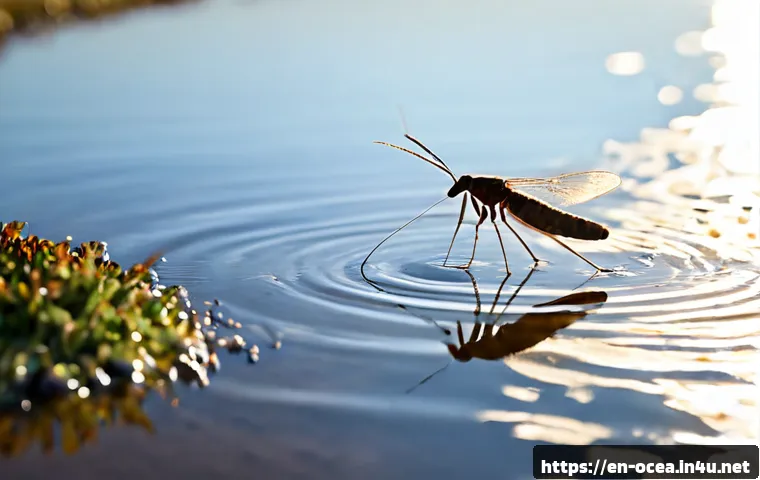
Marine insects are rare compared with land and freshwater insects, but they matter in coastal food webs and on the ocean surface. The best-known open-ocean example is the sea skater,
Halobates
, while many other insect groups use beaches, salt marshes, mangroves, and intertidal shorelines rather than deep water. These animals can become food for fish, birds, spiders, and other invertebrates.
Some also help break down stranded algae, plant material, and other organic debris. For casual observation, simple field guides and waterproof note-taking gear are often enough.
More formal projects may need repeatable methods, permits, identification expertise, or ecological survey support.
At a Glance
- Marine insects are uncommon, but some live on the ocean surface and many more use coastal habitats.
- They can support local food webs as prey, scavengers, and decomposers.
- Observation should protect sensitive shorelines: document what you see, avoid trampling, and leave habitat material in place.
| Habitat type | Likely insect setting | Ecological role | Observation difficulty | Useful gear or support |
|---|---|---|---|---|
| Ocean surface | Sea skaters such as Halobates | Part of surface food webs | High | Remote observation records or specialized survey planning |
| Rocky shore and intertidal zone | Coastal insects using exposed shoreline areas | Prey and organic-matter use | Moderate | Field guide, hand lens, waterproof notebook |
| Salt marsh or mangrove | Insects associated with coastal vegetation and wet ground | Food-web links and local biodiversity | Moderate | Camera, habitat notes, structured survey method if needed |
| Beach wrack line | Shoreline insects around algae and organic debris | Decomposition and nutrient cycling | Low to moderate | Hand lens, camera, careful visual observation |
What Counts as a Marine Insect—and Why It Matters
A marine insect is not simply any insect found near the coast. Open-ocean insects live at the ocean surface, while many insects connected to marine systems occupy nearby habitats such as salt marshes, mangroves, beaches, and intertidal areas. This distinction matters because a species seen beside seawater may depend more on shoreline vegetation, stranded material, or tidal conditions than on the open sea itself.
The Difference Between Open-Ocean Species and Coastal Habitat Users
Sea skaters in the genus Halobates are the clearest example of insects living on the ocean surface, and some species occur far offshore. Coastal insects are different: they may use wet sand, rocky edges, tidal vegetation, or debris deposited by waves. Deep-water insect life is not the usual story; most marine-associated insects are linked to coastal and intertidal conditions.
A Quick Answer: Rare in the Sea, Meaningful in Local Food Webs
Insects are far less diverse in marine environments than on land or in freshwater. Still, their local role can be meaningful. They may feed larger animals, consume organic material, and connect shoreline debris to the wider food web. Their importance varies by location, season, abundance, and the species present, so a single observation should not be treated as a complete ecosystem assessment.
Three-Line Summary for Readers Planning Observation or Research
For learning: observe without removing animals or habitat material. For school work: combine photographs with clear notes on tide, location, and habitat. For decisions that require dependable biodiversity data: use a repeatable survey approach or consult ecological monitoring support.
Habitats, Ecological Roles, and Observation Options Compared
Marine-associated insects face demanding conditions. Intertidal habitats can shift quickly with salinity, wave action, drying, and temperature changes. A useful observation plan begins by matching the method to the habitat rather than expecting the same equipment or timing to work everywhere.
Ocean Surface, Rocky Shore, Salt Marsh, Mangrove, and Beach-Wrack Habitats
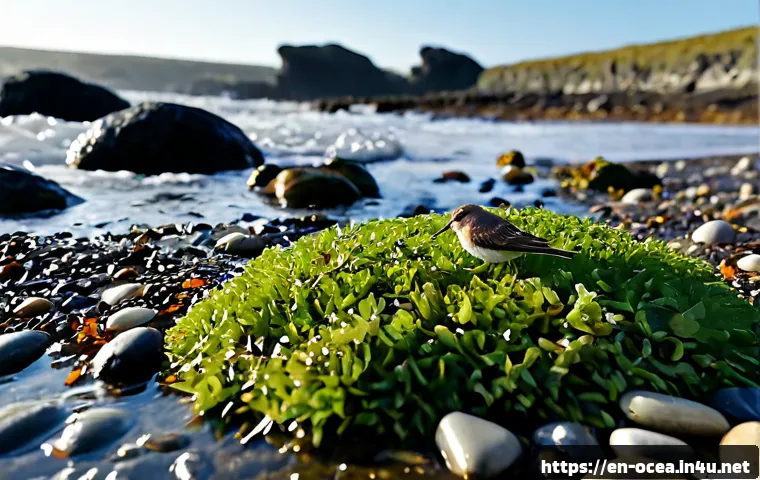
Ocean-surface observation is usually difficult because the insects may be far from shore. Rocky shores require careful footing and attention to changing water conditions. Salt marshes and mangroves can offer accessible habitat structure, but visitors should avoid damaging vegetation or compacting wet ground. Beach wrack lines may contain stranded algae and organic debris that support shoreline insects, so they should be examined gently and left undisturbed.
Food-Web Roles: Prey, Scavengers, Decomposers, and Nutrient Cycling
Marine and coastal insects can be prey for fish, birds, spiders, and other invertebrates. Some shoreline insects feed on algae, decaying plant material, and organic debris, helping break down material deposited along the coast. This decomposition role can contribute to nutrient cycling, although the effect of any one species depends on its local setting and abundance.
Comparison Factors for Field Observation
For a casual beach walk, a camera and a waterproof notebook may be more valuable than collecting gear. For a biodiversity inventory, use consistent habitat notes and repeat the same observation method where appropriate. For professional monitoring, the survey design may need to account for access, sampling requirements, permits, and reporting needs.
How Coastal Insects Support Healthy Ecosystems
Coastal insects are small, but they can participate in several ecological processes at once. Their presence can show that a habitat is being used, yet it does not automatically prove that the site is healthy or unhealthy. Context is essential.
Recycling Stranded Organic Matter
Algae, plant fragments, and other organic debris can collect along shorelines. Insects that feed on this material help process it rather than leaving it untouched. Removing every wrack line for visual tidiness can also remove habitat, so observation should distinguish between a managed beach appearance and the ecological value of natural shoreline material.
Providing Food for Birds, Fish, and Other Invertebrates
Insects can transfer energy through coastal food webs when they are eaten by birds, fish, spiders, and other invertebrates. That role is especially relevant in habitats where many small organisms depend on seasonal pulses of food and shelter. A careful observer should record what is present without assuming that every predator-prey relationship is visible during one visit.
What Insect Presence May—and May Not—Indicate
An insect record may be useful as part of a broader habitat picture. However, it should not be used alone to diagnose pollution, habitat quality, or climate effects. Habitat disturbance, shoreline development, pollution, and climate-driven changes can affect coastal insect communities, but determining the cause of a change requires more than a single observation.
Responsible Observation: Gear, Methods, and Common Mistakes

Good coastal observation is usually quiet, simple, and low-impact. The aim is to collect useful notes while leaving the habitat as intact as possible.
Choosing a Field Guide, Hand Lens, Waterproof Notebook, and Camera Setup
Choose a coastal field guide that focuses on the habitat you will visit, not only broad insect categories. A hand lens can help with close visual inspection without handling an animal. A waterproof notebook or waterproof documentation device helps preserve notes when weather and spray are unpredictable. For photographs, prioritize clear images of the insect and its surrounding habitat over elaborate equipment.
Avoiding Trampling, Collecting Without Permission, and Disruption of Wrack Lines
Walk carefully around marsh plants, wet ground, rocks, and wrack lines. Do not turn over large amounts of debris just to search for insects, and do not collect specimens unless permission and applicable requirements are clear. Shoreline habitats are exposed to regular stress already; unnecessary disturbance can make observation less responsible and less useful.
When Photographs and Habitat Notes Are More Useful Than Specimen Collection
For many learners and community science records, photographs paired with notes can be enough. Record the habitat type, visible organic material, tidal setting, and general conditions. This approach supports later identification discussions while reducing the risk of accidental habitat damage.
When a Citizen Survey Is Enough and When to Use Ecological Monitoring Support
A citizen observation can be valuable when its goal is education, awareness, or a simple record of what was seen. A more formal project needs stronger planning when results may guide restoration, development, compliance work, or long-term comparisons.
Best Uses for School Activities, Beach Walks, and Community Science Records
Basic observation works well for school activities, guided nature walks, and community records. Keep the purpose narrow: photograph insects, note the habitat, and avoid claiming that the record represents all local biodiversity. A consistent checklist can make these records easier to compare over time.
Situations Requiring Permits, Repeatable Sampling, Identification Expertise, or Professional Reporting
Consider trained ecological survey providers when a project requires repeatable sampling, detailed identification, formal reporting, or work in areas with access restrictions. Professional support may also be appropriate when a project involves development, restoration, compliance, or long-term ecological monitoring. The right option depends on scope, access, permits, and sampling requirements.
Questions to Ask Before Comparing Environmental Survey Providers
Ask whether the provider has experience with the relevant coastal habitat, how sampling will be repeated, what identification level the project requires, and what reporting format will be delivered. Also confirm who is responsible for permits, site access, and documentation. These questions are more useful than choosing solely by a general service description.
Selection Criteria and Comparison Summary
Choose basic observation tools when the goal is learning, photography, and simple habitat notes. Choose a structured survey method when you need records that can be compared across visits or locations. Choose professional ecological monitoring support when results may affect project planning, restoration, compliance, or long-term reporting. Before selecting gear or services, check habitat suitability, weather resistance, documentation needs, disturbance risk, and permit responsibilities. For equipment specifications or survey-service conditions, review the relevant product or provider page before deciding.
Closing Thoughts
Marine insects are not numerous in the same way as terrestrial insects, but they are still part of coastal ecological systems. Their roles can include prey availability, decomposition, and connections between shoreline habitats and food webs. The most useful observation is careful, habitat-aware, and modest in its conclusions. A clear photograph and a few reliable notes can be more valuable than a disruptive search.
Useful Things to Know
1. The ocean surface and the shoreline are different insect environments.
2. Sea skaters in the genus Halobates are known for living on the ocean surface.
3. Wrack lines can provide habitat as well as organic material for decomposers.
4. Notes on habitat conditions improve the value of photographs.
5. Repeated records are more informative when the observation method stays consistent.
Important Notes
The exact number of insect species using marine or marine-adjacent habitats can vary with definitions and taxonomic updates. The ecological importance of a particular insect depends on location, season, abundance, and the local food web. Costs and suitability of field equipment, ecological surveys, and monitoring services must be confirmed for the specific project scope, access conditions, permit needs, and sampling requirements.
Frequently Asked Questions
Q1. Are there insects that live in the open ocean?
A1. Yes. Sea skaters in the genus Halobates live on the ocean surface, and some species occur far offshore. They are unusual because most insects associated with marine systems live closer to coasts rather than in open water.
Q2. What is the best equipment for observing insects along beaches and salt marshes?
A2. A habitat-focused field guide, hand lens, camera, and waterproof notebook are practical starting tools. Choose equipment that supports clear photographs and reliable notes without requiring you to handle insects or disturb shoreline material.
Q3. When should a coastal project hire an ecological survey professional instead of relying on volunteer observations?
A3. Professional support may be more appropriate when a project needs permits, repeatable sampling, detailed identification, formal reporting, long-term monitoring, or findings that could influence development, restoration, or compliance decisions.